The findings, from the Federation of Small Businesses’ quarterly Small Business Index, lay bare the scale of the challenge facing Andy Burnham as he prepares to enter Downing Street on Monday. The lobby group warned the incoming prime minister faces a “huge test” to turn the economy around.
The gap between firms predicting growth and those predicting shrinkage, a sale or closure is now the widest the FSB has recorded. The net balance first turned negative a year ago and has stayed below zero ever since.
For the owners behind the numbers, the culprits are familiar. The survey of 1,113 small business owners and sole traders, conducted in June, found the state of the UK economy, taxes and labour costs were expected to act as the biggest drags on growth over the coming year.
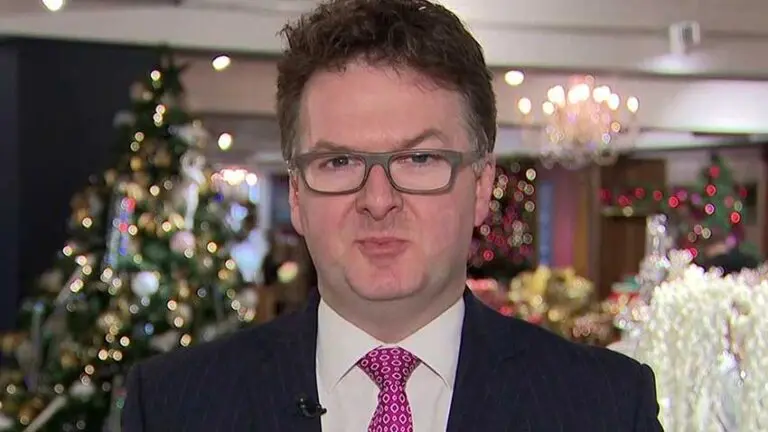
Tina McKenzie, the FSB’s policy chairwoman, said: “We cannot and must not accept a ‘new normal’ where more small firms believe they will shrink, sell up, or close entirely than anticipate growing over the next year. Small firms are the only engine of growth present in each and every postcode and we need them firing on all cylinders.”
The timing hands Burnham an immediate in-tray item. McKenzie said she hoped he would honour his pledge to expand small business rates relief, a live issue for the 104,000 small firms swept into the rates net when April’s revaluation collided with a decade-long threshold freeze.
“The new prime minister’s first budget will be a huge early test of whether he can put small businesses first, drive down costs, and drive up growth, opportunity and jobs, but what is crucial is that this is complemented by every department finally putting growth first and pulling in the same direction,” she said.
The trading picture behind the gloom is stark. Only one in five small companies reported higher takings in the second quarter, significantly outnumbered by the more than half who saw revenues fall.
Costs, meanwhile, keep climbing. Close to nine in ten respondents reported higher running costs than a year earlier, up slightly on the first quarter, with taxation the most-cited reason for the increase.
McKenzie also urged ministers not to let the late payment crackdown now before parliament slip down the agenda, saying the legislation, billed by the government as the largest crackdown on late payments in more than 25 years, “must be prioritised”.
She said she hoped Burnham’s government would recognise that small businesses “suffer just as much as everyone else when a ‘Whitehall knows best’ culture fails to listen to the people delivering growth on the ground”.
For SME owners, the message to the new administration is simple enough: the sector that employs millions across every postcode in Britain is running out of road, and the first budget will show whether anyone in Whitehall is listening.

Jamie Young
Jamie Young is Senior Reporter at Business Matters, covering SME finance, employment law and Westminster policy since 2016. He has reported on every Budget and Autumn Statement since 2018, helped make sense of the 'covid era' and the bounce-back loan scheme from launch through the fraud investigations, and broke the magazine's coverage of the 2024 late-payment reforms. He joined Business Matters straight from completing his BA in Administration from Exeter University and is NCTJ-qualified. Reach him at jyoung@cbmeg.co.uk