![UK borrowing costs reached their highest level since 1998 as 30-year gilt yields rose to 6.028 per cent in a global sell-off, before easing back.Alternative headlines 30-year gilt yield tops 6 per cent in fresh global bond sell-off Gilt yields hit highest since 1998 weeks before Healey's first budget Primary keyword: UK borrowing costs SEO title: UK borrowing costs hit highest level since 1998 Slug: uk-borrowing-costs-highest-since-1998 Meta description: UK borrowing costs briefly topped 6 per cent on 30-year gilts in a global bond sell-off, raising pressure on John Healey ahead of the 28 October budget. Standfirst: UK borrowing costs reached their highest level since 1998 as 30-year gilt yields rose to 6.028 per cent in a global sell-off, before easing back. Long-term UK government borrowing costs briefly rose above 6 per cent today, reaching their highest level since 1998 amid a fresh global sell-off in government bonds driven by concerns over public borrowing and inflation. The yield on the 30-year gilt rose to 6.028 per cent, while the benchmark 10-year yield climbed to 5.51 per cent, a near 20-year high. Both reversed their sharp increases during afternoon trading and fell back. Yields on gilts, which are UK government bonds, move inversely to prices. The latest rise came as investors around the world sold long-dated government debt, pushing yields to multi-decade highs once again. Global sell-off In the US, the yield on the 10-year Treasury, which influences rates on government debt around the world, rose to 5.34 per cent, its highest since 2002. The rate on the 30-year Treasury also climbed sharply. Japanese government borrowing costs increased in overnight trading in Asia, and European bond yields were also higher. Timothy Graf, head of macro strategy for Europe, the Middle East and Africa at State Street, said: "I don't think there's a specific trigger. Moves like today feel like positions have been stopped out. If you look at energy prices, they are contained." Graf said the underlying reason for the rise was clear: "central bank rates are going up." The FTSE 100 fell sharply in early exchanges and was down 1.08 per cent in afternoon trading. The pound dropped 0.31 per cent against the dollar to $1.32 and was broadly stable against the euro, while the pan-European Stoxx 600 index dipped 0.53 per cent. Bond yields have moved in lockstep with oil prices, which have largely reacted to the progress of peace negotiations between the US and Iran since the conflict in the Middle East began. Brent crude, the international oil benchmark, rose 2.23 per cent today to just over $100 a barrel. The benchmark 10-year gilt yield first rose above 5 per cent in March, the first time it had crossed that threshold in 18 years, as energy prices surged following the start of hostilities in the Gulf. Persistent borrowing by governments in developed economies, renewed inflationary pressures caused by the Gulf war, stronger-than-expected economic growth and heavy borrowing by AI companies have combined to push sovereign bond yields higher. Pressure on the budget The renewed increase in UK borrowing costs adds to the fiscal challenge facing the chancellor, John Healey, as he prepares to deliver his first budget on 28 October. Headroom against the government's fiscal rules is believed to have fallen by around £10bn, from just under £24bn, because of the rise in bond yields since the war in the Middle East began in late February. The Office for Budget Responsibility said in July that debt interest spending had more than doubled as a share of GDP since just before the pandemic and, at £110bn in 2025-26, had become the third-largest area of public spending after health and welfare. The 10-year gilt yield stood at 4.97 per cent in July after Andy Burnham's first speech as prime minister, in which he promised a new economic model. At the Labour Party conference on Tuesday, Burnham said he would scrap the state pension triple lock after the next general election to help fund a National Care Service, with pensions then rising in line with prices or by 2.5 per cent a year. Economists have predicted that further tax increases would be needed to fully account for the extra public spending. Kathleen Brooks, research director at XTB, said: "While bond markets are pricing in stronger growth across the developed world, there is also the realisation that there is now a structural premium attached to the oil price and to refined products. "This will keep prices elevated for the long term, as it does not appear that a neat diplomatic solution to the war in the Middle East will be reached any time soon." LinkedIn post Long-term UK government borrowing costs briefly topped 6 per cent today, their highest level since 1998. The 30-year gilt yield rose to 6.028 per cent and the 10-year yield reached 5.51 per cent during a fresh global bond sell-off, before both eased back in afternoon trading. US, Japanese and European yields also rose. The move adds to the pressure on chancellor John Healey ahead of his first budget on 28 October, with fiscal headroom believed to have fallen by around £10bn since late February. How is the bond market shaping your borrowing plans? Read the full story: [ARTICLE URL] #Gilts #UKEconomy #Budget2026](https://bmmagazine.co.uk/wp-content/uploads/2026/10/shutterstock_2492844781-850x478.jpg)
Long-term UK borrowing costs top 6 per cent, highest since 1998
UK borrowing costs reached their highest level since 1998 as 30-year gilt yields rose to 6.028 per cent in a global sell-off, before easing back.


The latest news affecting small and medium sized (SME) businesses in the UK
UK borrowing costs reached their highest level since 1998 as 30-year gilt yields rose to 6.028 per cent in a global sell-off, before easing back.

GB News losses narrowed as revenue rose 16 per cent to £17.4m, while the broadcaster said AI summaries caused a 63 per cent fall in web…
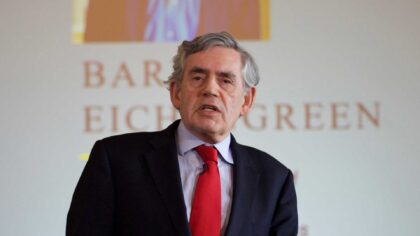
Gordon Brown is helping organise a government-backed innovation nation summit in Manchester on 9 October, with Kate Bingham and Mohamed El-Erian invited.
The Financial Conduct Authority has abandoned plans for mandatory climate risk reporting by listed companies, after firms raised concerns over costs.

The ElevenLabs valuation has doubled to $22bn after a $300m employee share sale, placing the British voice AI firm among the world's most valuable AI labs.

The number of R&D tax credit claims fell 17 per cent in 2024 to 2025, HMRC figures show, as relief shifted towards a smaller number of…
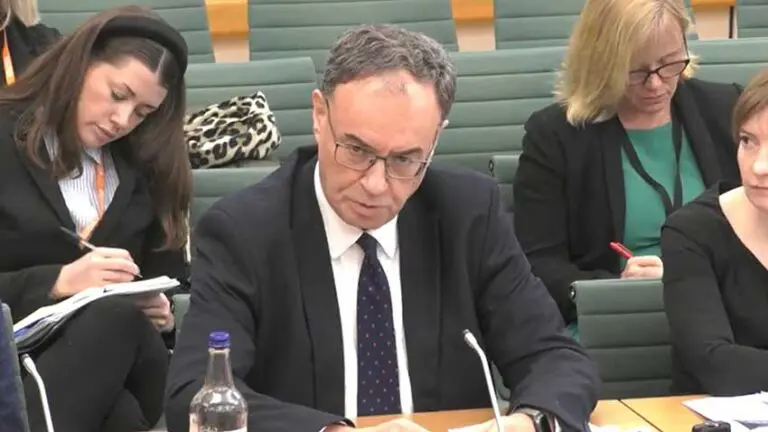
Andrew Bailey AI intervention: the Bank of England governor says society must keep the ability to govern self-improving frontier models before risks grow.
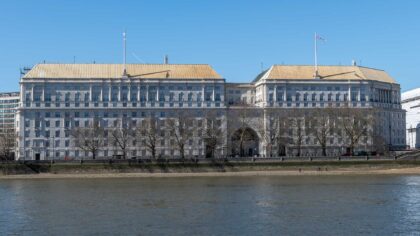
An MI5 espionage alert names a Chinese institute it says funds research for Beijing's intelligence service and tells universities to review ties now.
Greggs job cuts of around 740 roles are proposed as the bakery chain plans to close four manufacturing sites in a £60m overhaul of its production…
Julie Meyer's Swiss venture capital firm has gone into liquidation a year after the former Dragons' Den investor forfeited her MBE, according to reports.

OpenAI safety concerns have stopped GPT-6.1 Astra reaching users, as the ChatGPT maker apologises for its handling of AI agent breaches in Australia.
Great British Grid, a public company to compete for grid connection projects, was unveiled by Andy Burnham today as industry called for quick delivery.

The Dallaglio World Cup medal from England's 2003 win is to be auctioned after the former captain was declared bankrupt, estimated at £50,000 to £80,000.