Business confidence in Britain has dropped to its lowest level since the immediate fallout from Liz Truss’s mini-budget, according to new data from the British Chambers of Commerce (BCC).
Researchers found that 49 per cent of the 4,808 firms surveyed expect income to rise over the next 12 months, matching sentiment levels from the final quarter of 2022.
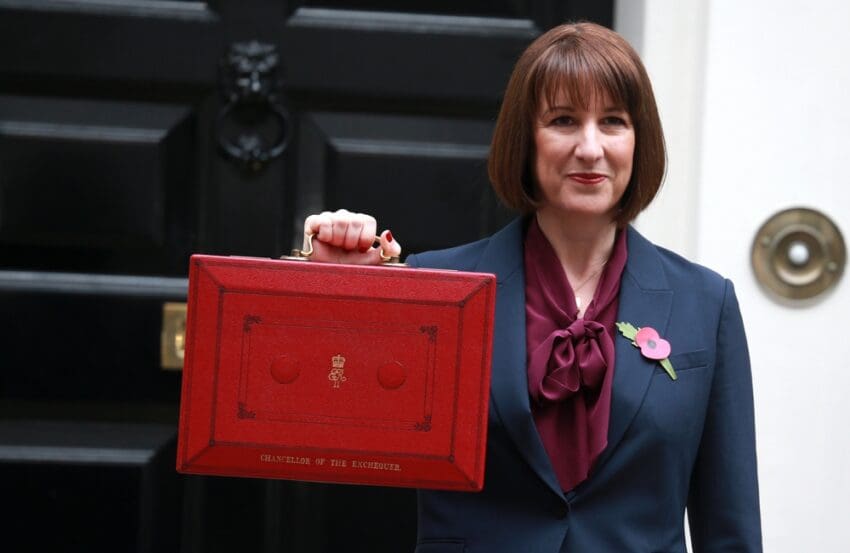
The slump coincides with Chancellor Rachel Reeves’s decision to raise £40 billion in taxes, mostly targeting businesses. Increases to national insurance contributions (NICs), including a rise in employers’ NICs to 15 per cent from 13.8 per cent and a lower threshold for contributions, have unsettled UK companies, with more than six in ten citing taxation as a major concern.
However, a separate report by KPMG suggests that despite the dip in confidence, the UK economy is likely to grow faster than expected this year, buoyed by the chancellor’s additional public spending and the anticipated fall in interest rates to around 4 per cent. KPMG forecasts growth of 1.7 per cent in 2025, up from an estimated 0.8 per cent last year, though it warns that inflation will remain above the Bank of England’s 2 per cent target until 2027.
Liz Truss’s short-lived premiership saw a £45 billion package of unfunded tax cuts spark turmoil in the financial markets, forcing an emergency Bank of England intervention. Reeves’s October budget took a different approach, opting for a combination of tax hikes and £30 billion in extra borrowing to fund the largest public investment programme in a generation.
Shevaun Haviland, director-general of the BCC, criticised the chancellor’s measures, warning that companies “are already cutting back on investment and say they will have to put up prices in the coming months.” KPMG’s economists echoed that inflationary concern, noting that businesses facing higher taxes might pass on increased costs just as fiscal stimulus fuels short-term demand.
A Treasury spokesperson defended the budget, describing it as a “once-in-a-parliament” measure designed to restore stability and offer businesses some certainty in a challenging environment.