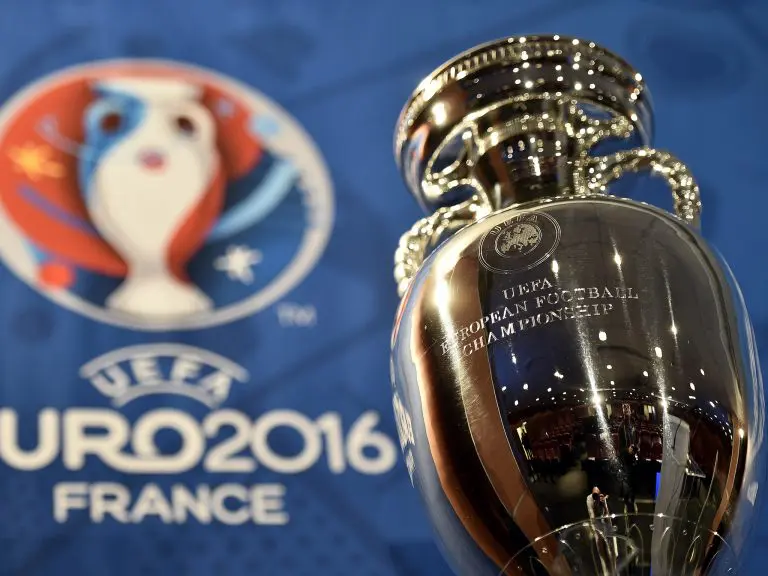
With the Euros 2016 in full swing, and global events like Rio 2016 and Russia 2018 just around the corner, it’s time to ask yourself how your business can take advantage of such valuable marketing platforms.
It’s too late to design and execute a campaign at gold medal standard for the Olympics this year, but with the FIFA World Cup just under two years away, now is the perfect time to find out how your brand can properly implement a successful promotion.
What is Promotional Marketing?
Your business is probably familiar with this concept; the process of engaging with current and new customers whilst boosting awareness of a product or service. This often involves creating a campaign that partners up with – or sometimes rides on the back of – an event.
You can utilise a range of promotions to boost the performance of your campaign, such as on pack promotions, giveaways, and TV adverts – but your goal should ultimately be to cut through the noise with a unique approach and compete with – or maybe even outperform – the official sponsors of the event.
Is it for me?
The simple answer, yes. If the event embodies your brand and its values, then running a campaign in line with this is going to amplify the reach of your business.
Let’s have a look at some of the key benefits of running a sales promotion:
- Attract new customers – whether your business is looking to establish a relationship with a new demographic, or you want to expand your current customer base, promotional marketing helps draw in and initiate relationships with targeted consumers
- Increase sales of your product or service – your campaign might involve lowering the price of the product or service included, however your new and improved reach will drive sales and therefore total revenue
- Improve brand image – consumers will associate you with the traits and values of the event you are basing your promotion upon, so if you choose correctly you could enhance the image you project of your business
- Beat the competition – getting out of the blocks ahead of your competitors puts you in good stead to steal their sales as you meet the needs of your audience sooner
Promotional marketing is rich in benefits, but to ensure you get to experience these, there are a number of steps you can put in place when running a promotion in line with an event…
Step 1 – Choose an event that will resonate well with your target audience
It’s important to maintain your audience as the focus of your promotional activities to ensure you generate maximum levels of engagement. For example, if your demographics have minimal interest in sport, then utilising Rio 2016 or even Russia 2018 in your promotion will restrict the success of the campaign.
Take the time to understand the lifestyle of your target audience to influence the direction you take with your choice of event.
Step 2 – Follow the event’s official rules
Official sponsors pay a lot of money for a handful of privileges that help place their promotions on a pedestal, especially for events that provide visibility on a global level. To avoid making this expenditure a waste of resource, the event will typically put in place a set of do’s and don’ts for non-sponsors.
There are ways to kick up a fuss, make an impact and deliver a powerful campaign without breaking these rules however. For example, if executed successfully, ambush marketing gives you the platform to cause a little controversy, show your personality and outshine competing brands whilst adhering to the guidelines.
Step 3 – Identify similarities with the event
It makes sense that an event that resonates well with your target audience will undoubtedly have a natural synergy with your brand. Building a campaign on the back of the similarities between your brand and the event will improve the transparency of your promotion and separate you from the official sponsors.
You need to ensure your approach doesn’t conflict the rules and regulations, however. Consider the FIFA World Cup 2018; instead of using the official trademarks, try making links with the themes of the events. Themes like Russia or sport in general will give consumers a natural connection between your company and the event.
Step 4 – Design a promotion to match the characteristics of the event
A benefit of partnering up with an event to launch a promotion is that your business will have access to valuable insights about the audience and the types of activities and prizes they will respond well to.
Capturing the characteristics of the event will ultimately answer some key questions in the design stage of your promotion, such as:
- To what extent will the customer want to interact with the campaign?
- Would they prefer cash prizes over physical prizes?
- Should the prize be linked to the event or their other interests?
For example, it is likely that the consumers engaging with global sporting events are going to be attracted to the concept of interactive, game like promotions related to the results of the event.
Step 5 – Transform your customers into advertisers
Consumers trust other consumers, and so having them on your side will likely drive engagement, improve visibility and generate more sales. This is why step 1 is so important!
Incorporating features such as social shares for extra entries to your competition will encourage customers to start word of mouth advertising; assisting with the reach of your promotion.
For events that attract engagement from a large customer base, be prepared to compete for the attention of your target audience. To stand out and reach your maximum potential, implement these simple steps and make sure you plan ahead!
You can find out more about how to level the playing field between the promotional campaigns of your brand and the official sponsors’ in Fotorama’s recent whitepaper A Level Playing Field.