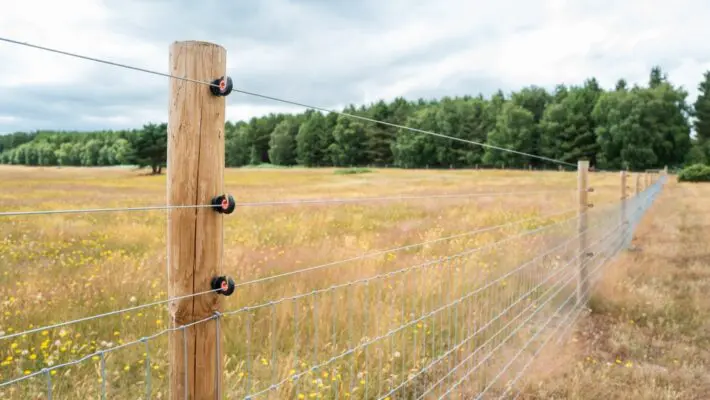
Today, in an era of inflation, political scrutiny, and shifting tax policy, UK farmland is once again in vogue—not merely as a legacy asset but as a strategic, tax-efficient investment for high-net-worth individuals (HNWIs) and business owners seeking long-term capital protection.
Yet the rules underpinning this pastoral advantage are under threat. As Chancellor Rachel Reeves advances proposals to reform Agricultural Property Relief (APR), what has long been a discreet haven for generational wealth may soon face profound change.
The enduring appeal of land
Farmland continues to offer a powerful value proposition: scarcity, price resilience, and unparalleled tax reliefs. According to the Royal Institution of Chartered Surveyors (RICS), UK farmland values rose 7.3% in 2024, buoyed by investor demand, food security concerns, and the monetisation of natural capital through carbon credits and biodiversity offsets.
“Farmland offers both legacy and leverage,” says Henry Pemberton, a land advisor at Savills. “From a tax and wealth planning perspective, it has few rivals.”
The tax architecture: APR, BPR and CGT deferral
At the heart of farmland’s appeal are Agricultural Property Relief (APR) and Business Property Relief (BPR) — powerful tools that offer 100% relief from inheritance tax when structured correctly.
- APR applies to land actively farmed or let out for agricultural use, provided it’s held for two years (or seven if let).
- BPR can extend that protection to mixed-use or diversified estates that generate trading income, such as from holiday lets or renewable energy.
- Capital Gains Tax (CGT) can often be deferred through hold-over or rollover relief, further increasing the asset’s efficiency in estate planning.
Sarah Allardyce, a tech entrepreneur, purchased 88 acres in Kent following a business exit in 2020. Combining regenerative agriculture with solar power and biodiversity credits, she structured her land investment to optimise reliefs.
Her strategy included:
- APR on her farmland after two years of direct farming.
- BPR on a consultancy operated from the property.
- Income from a wildflower offset scheme leased to a local conservation group.
“I didn’t buy land for the subsidies,” she said. “But the tax reliefs certainly sweetened the model.”
The storm gathers: Reform proposals on the table
In her July 2025 Budget, Chancellor Rachel Reeves launched a consultation on overhauling APR — a move the Treasury says could raise £1.2 billion in additional IHT by 2030. Proposed changes include:
- Restricting APR eligibility to working farmers, excluding passive investors.
- Reassessing relief on non-agricultural activities, including renewable energy, glamping, and rewilding.
- Limiting APR for land held in corporate or offshore structures.
Critics argue these reforms would penalise environmental stewardship, deter new entrants, and destabilise family-owned estates that rely on APR for intergenerational continuity.
Enter, the Jeremy Clarkson effect
Among the most vocal opponents is Jeremy Clarkson, whose Amazon Prime series Clarkson’s Farm has turned him into an unlikely agricultural advocate. In a recent episode, Clarkson railed against the idea that his farm might be deemed “inactive” under new rules.
“So let me get this straight,” he said. “I pay for the tractor, the barn roof, the seed, the diesel, I risk everything on the weather… and then the Chancellor tells me the land isn’t ‘active’ enough to qualify for relief? Madness.”
Clarkson has joined forces with the National Farmers’ Union and a coalition of rural MPs to resist the proposed changes, warning they will erode rural resilience and discourage sustainable innovation.
Case study: Family planning in the countryside
The Hunter-Bennett family, former logistics business owners, invested £6.5 million in a 400-acre Suffolk estate in 2022. With two adult children managing the estate full time, they secured full APR and BPR relief through a UK LLP and trust structure.
Now, amid the policy uncertainty, they are reviewing holiday let income streams and rewilding credits to ensure future eligibility.
“If these reforms go through as written, we may need to unwind parts of the trust or explore restructuring,” said trustee Mark Bennett.
Outlook: Tax shelter, but for how long?
Despite the turbulence, farmland continues to offer unmatched advantages: scarcity, cultural capital, diversification, and long-term tax sheltering. But the rules are no longer guaranteed. Savills has reported a 30% increase in farmland acquisitions via trusts and family investment companies in Q2 2025, as advisors rush to secure current reliefs before any legislative changes are enacted.
“What was once an evergreen shelter is now under audit,” says Pemberton.
Conclusion: Invest in land — but stay alert
Farmland still offers a uniquely British blend of prestige, protection, and performance. But the future of tax efficiency in the sector is under scrutiny, and the window to act may be closing.
For HNWIs and business owners seeking stability, the message is clear: invest in land — but do so with urgency, foresight, and a team that understands both the soil and the statute book.

Amy Ingham
Amy Ingham is a reporter at Business Matters, covering UK business news with a focus on breaking news, business policy, late payments and insolvency. She joined the magazine in 2026 after completing the NCTJ Diploma in Journalism at Harlow College's journalism school. Her recent reporting includes British Steel's nationalisation and its impact on SME suppliers, the decline in late payments by large firms, and Insolvency Service director disqualifications. Reach her at aingham@cbmeg.co.uk.