
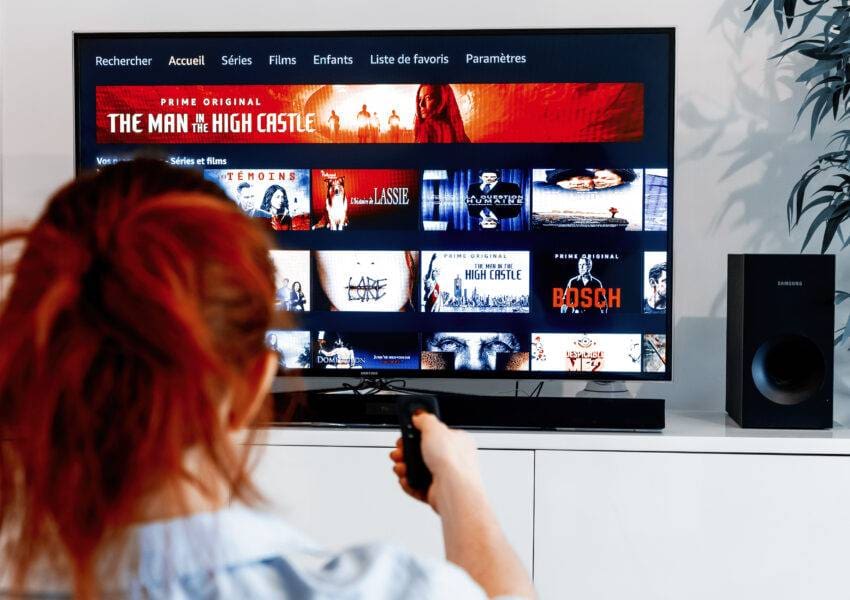
The television market in the UK has never stood still, but the pace of change has accelerated over the last decade. Streaming platforms, faster broadband and connected devices have altered viewing habits in ways that would have been difficult to imagine twenty years ago.
The living room television is still central to many households, yet viewers now expect the freedom to start a programme on one device, continue it on another and choose from an ever-growing range of content.
IPTV, or Internet Protocol Television, has become part of that conversation. While traditional broadcasting remains firmly established, internet-delivered television has expanded alongside it, giving consumers another way to access live channels, sport, films and on-demand programming. Its growth says less about one particular technology and more about how expectations have changed across the UK’s digital economy.
Convenience Has Become the Standard
Consumer expectations have shifted well beyond television.
People now order groceries through mobile apps, manage bank accounts online, store documents in the cloud and subscribe to music, software and entertainment with a few clicks. Television has followed the same path.
Viewers increasingly expect services to be available whenever they want them, regardless of location or device. Waiting for scheduled broadcasts is no longer the only option, and many households now combine traditional television with internet-based services to suit different viewing preferences.
This flexibility has become one of the defining features of modern entertainment.
Better Broadband Has Changed More Than Internet Speeds
The UK’s continued investment in broadband infrastructure has affected far more than web browsing or remote working.
Reliable high-speed connections have made it practical for households to stream multiple high-definition or 4K video feeds at the same time without noticeably affecting the viewing experience. For consumers, that means fewer compromises when different members of the family want to watch different programmes on separate devices.
Broadband quality has therefore become an important part of the entertainment experience. Viewers often judge a service by how consistently it performs rather than by the technology used to deliver it.
This has encouraged television providers to place greater emphasis on platform stability, application performance and customer support.
Subscription Services Have Changed Consumer Expectations
Television is only one example of a much broader economic trend.
Subscription models have become common across software, cloud storage, fitness, music, education and entertainment. Instead of making one-off purchases, consumers are increasingly comfortable paying for services that provide ongoing value.
That change has altered how businesses compete.
Winning a customer is no longer enough. Keeping that customer month after month has become equally important. This places greater attention on service quality, reliability and the overall customer experience.
Businesses that make their services easier to use often gain an advantage over competitors that focus solely on price.
Competition Extends Beyond Content
Content remains important, but viewers often evaluate television services using other criteria.
Is the application easy to navigate?
Does it work across different devices?
Can programmes be found quickly?
Is customer support available when something goes wrong?
These questions matter because consumers now compare every digital service with the best online experiences they already use. Expectations created by banking apps, online retailers and streaming platforms influence how customers judge businesses in completely different industries.
For providers, improvements to usability and customer support can have just as much influence on customer satisfaction as new content.
Technology Behind the Scenes
Many of the changes taking place within television are largely invisible to viewers.
Cloud infrastructure allows services to scale more efficiently during periods of high demand.
Artificial intelligence helps improve search results, content recommendations and customer support. Modern applications receive regular updates that improve stability, compatibility and security without requiring new hardware.
These developments are not unique to television. They reflect wider changes across digital businesses, where software improvements often happen continuously rather than through occasional major releases.
Consumers may never notice the technology itself, but they notice when a service performs well.
IPTV Reflects Wider Business Trends
The continued growth of IPTV highlights several themes that business leaders encounter across many sectors.
Customers value convenience.
They expect services such as Xtreme HD IPTV to work across multiple devices.
They prefer straightforward pricing and simple account management.
They are more likely to remain loyal when support is responsive and problems are resolved quickly.
These are not lessons limited to entertainment companies. Software providers, financial technology firms, online retailers and professional service businesses all compete on similar factors.
Customer experience increasingly influences long-term growth.
The Role of Trust
As digital services become part of everyday life, trust becomes more valuable.
Consumers expect businesses to communicate clearly, maintain reliable services and respond promptly when assistance is needed.
Building that confidence takes time. It is rarely achieved through advertising alone. Consistency, transparency and dependable customer support often have a greater impact on reputation than promotional campaigns.
This explains why many subscription businesses now invest heavily in customer retention as well as customer acquisition.
A Market That Continues to Evolve
The UK television market remains highly competitive, with public broadcasters, commercial broadcasters, subscription platforms and internet-based television services all serving different audiences.
Rather than replacing one another, these services increasingly exist alongside each other. Many households combine free-to-air channels with streaming subscriptions and IPTV, choosing the mix that best suits their viewing habits.
One example is Xtreme HD IPTV, which illustrates how internet-based television providers are placing greater emphasis on platform performance, device compatibility and customer support as consumer expectations continue to rise.
Looking Ahead
Television has always adapted to new technology, from analogue broadcasting to digital television and from satellite services to online streaming. IPTV represents another stage in that progression rather than a complete departure from what came before.
For businesses, the wider message is straightforward. Consumer expectations continue to evolve, but the priorities remain familiar: reliability, convenience, simplicity and trust. Companies that deliver those qualities consistently are often better placed to build lasting customer relationships, regardless of the industry in which they operate.
Readers interested in UK communications, media and consumer research can explore the latest reports published by Ofcom, which regularly examines changes in television viewing, broadband adoption and digital media across the UK.