


Modern cleaning technology has made it possible to handle everything from pet hair to sticky kitchen spills with far less effort than before. Understanding the difference between a
Choosing the right tool starts with knowing what each one actually does — and where each falls short.
What a Robot Vacuum Actually Does
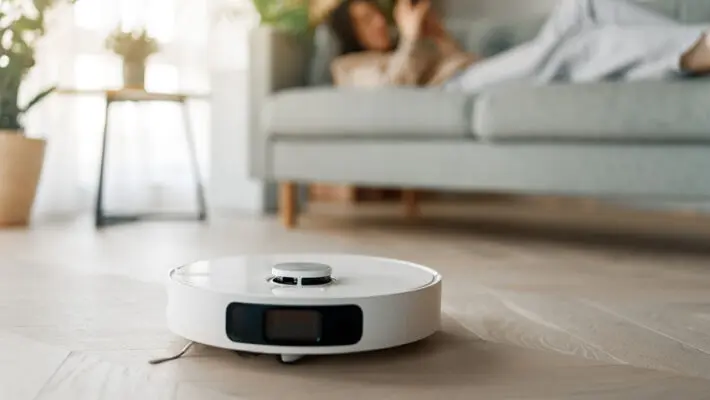
A robot vacuum works autonomously. You set a schedule, it maps your home, and it handles daily floor maintenance without you lifting a finger. The best models today combine suction and mopping in a single unit, with self-emptying docks that can go weeks without any intervention.
They excel at keeping hard floors and low-pile carpet free of dust, crumbs, and pet hair on a consistent basis. The real value is not in any single cleaning session — it is in the daily coverage that prevents buildup in the first place. A home with a robot vacuum simply stays cleaner between deep cleans.
Modern robot vacuums use LiDAR or camera-based navigation to map rooms accurately, avoid obstacles, and return to their dock automatically. Premium models can even lift their mop pads when crossing carpet, so you never get a damp carpet situation.
What a Wet Vacuum Is Actually For
A wet vacuum — in the modern sense — is a floor washer that vacuums and mops in a single pass. It is a stick-style appliance with a motorized roller brush, a clean water tank, and a dirty water tank. You push it across the floor the way you would a traditional mop, except it suctions up the dirty water as it goes.
This matters because traditional mopping spreads dirty water around rather than removing it. A wet vacuum lifts the mess entirely. Many current models use heated water to dissolve grease and kill bacteria, which cold-water mops simply cannot match.
Where a wet vacuum shines is in tackling fresh spills, sticky residue, muddy paw prints, and anything that needs actual water contact to clean properly. It also gives you direct control over which areas get cleaned and how intensively, which a robot vacuum cannot replicate.
Key Differences at a Glance
Robot vacuums handle daily upkeep automatically. Wet vacuums handle targeted floor washing on demand. The robot keeps dust and crumbs in check throughout the week; the wet vacuum steps in when something needs a proper scrub.
On hard floors like tile, LVP, or hardwood, both tools are genuinely useful together. The robot handles dry maintenance; the wet vacuum handles the messier moments. In homes with mostly carpet, the robot vacuum carries more of the load since wet vacuums are designed primarily for hard and sealed floors.
How Much Home Do You Actually Have to Clean?
For smaller homes or apartments, a single wet-dry vacuum often covers everything without the need for a robot. You spend maybe 15 minutes per session and the floors stay clean. For larger homes — particularly anything over 1,500 square feet with multiple rooms — the time savings from a robot vacuum start to add up meaningfully.
Homes with pets often benefit most from both. A robot vacuum keeps pet hair off the floors daily, while a wet vacuum handles the muddy trails and wet accidents that a robot cannot address effectively.
The Case for Having Both
The most consistently clean homes tend to use both types of tools. The robot runs on a schedule, handling the volume of daily debris. The wet vacuum handles the moments that need active attention — right after cooking, after pets come in from outside, after kids spill something.
This combination is not about redundancy. It is about covering two different categories of mess with the right tool for each. A robot vacuum running nightly keeps mopping sessions shorter. A good wet vacuum makes the robot’s job easier by handling the messes that would otherwise clog it.
What to Look for When Buying Either
For a robot vacuum, the most important factors are navigation accuracy, brush design (especially if you have pets), and whether the dock handles emptying and mop washing automatically. A self-emptying dock is not a luxury for busy households — it is what makes the robot actually low-maintenance.
For a wet vacuum, focus on water temperature, edge cleaning capability, and the self-cleaning function. A model that flushes its own brush roll with hot water after each session prevents the mildew smell that plagues lower-end options.
Conclusion
Robot vacuums and wet vacuums solve different problems. One handles volume and consistency; the other handles intensity and active mess. For hard-floor homes with pets or kids, both tools together create a cleaning routine that is genuinely low-effort and consistently effective. Start with whichever matches your most pressing need — and you will likely find yourself wanting the other one before long.