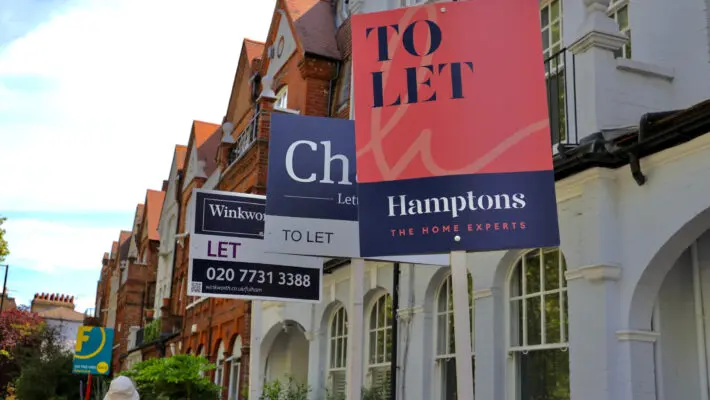
Although rents are still increasing, this marks a significant cooling from 2022’s peak growth of 12 per cent.
For the average tenant, who now pays £1,270 per month for a typical rental home, slower price increases come as welcome news. Over the past four years, rents have risen by 27 per cent while earnings have grown by just 19 per cent. Compared to 2021, tenants are paying a hefty £3,240 more per year, on average.
The rate of rental growth varies across the country. Northern Ireland remains a hot spot, with annual rents up 10.5 per cent, while London’s rental prices have edged up by only 1.2 per cent in the past year. These regional differences highlight how location and local market conditions can influence affordability.
Richard Donnell, executive director at Zoopla, notes that the pandemic-era rent boom stemmed from a supply-demand imbalance. While there are nearly a third more potential renters seeking accommodation than in 2019, the stock of available rental homes has been broadly static since 2016. The shortage, while easing slightly, is expected to continue. Would-be buyers are locked out of the housing market due to affordability issues, net migration is at record highs, and more landlords are exiting the sector in response to tougher taxes and regulations.
Zoopla predicts that rents will increase by another 4 per cent in 2025, with more affordable areas around major towns and cities likely to see the strongest demand. This is already evident in places such as Havering, on London’s eastern fringe, and Birkenhead, across the River Mersey from Liverpool, where rents are outpacing pricier urban cores.
Labour’s pledge to build 1.5 million homes over the next five years could help alleviate the chronic shortage and keep rents and prices in check. However, Donnell cautions that a real easing of pressure on renters must come from boosting all forms of housing supply, both private and social. Landlords, he says, will remain essential to meeting demand, and conditions may eventually encourage them to re-enter the market—but not just yet.

Jamie Young
Jamie Young is Senior Reporter at Business Matters, covering SME finance, employment law and Westminster policy since 2016. He has reported on every Budget and Autumn Statement since 2018, helped make sense of the 'covid era' and the bounce-back loan scheme from launch through the fraud investigations, and broke the magazine's coverage of the 2024 late-payment reforms. He joined Business Matters straight from completing his BA in Administration from Exeter University and is NCTJ-qualified. Reach him at jyoung@cbmeg.co.uk