


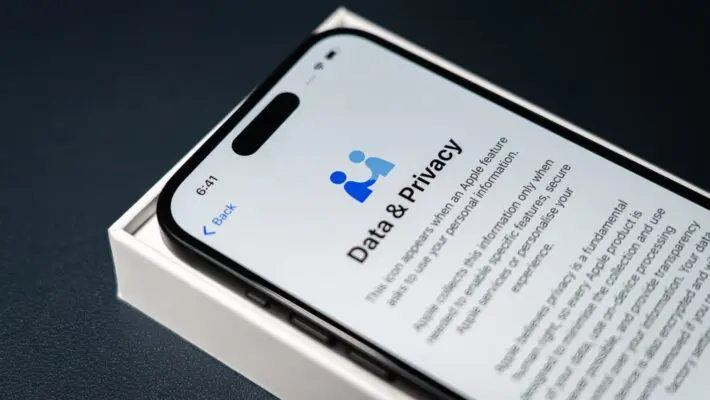
Although a bit surprising for UK users, this decision was mainly a response to the UK government’s request for backdoor access to encrypted user data that Apple declined to meet.
This means that people in the UK cannot make use of end-to-end encryption for iCloud data categories. This includes features like backups, photos, and notes. In the context of small and medium-sized enterprises (SMEs) in the UK, this means an increased risk of data exposure, especially for companies that use cloud services for storage and collaboration.
In this blog, we are going to look at what UK SMEs need to know about proxy use and online privacy after Apple’s decision to stop the Advanced Data Protection (ADP) and more.
Proxy Extensions For Chrome And Business Data Security
For companies using Chrome for web surfing and scraping, a proxy extension Chrome solution is an effective way to secure their online communications and protect them from cyber threats. A proxy extension is like a protective software between a device and the internet that masks the IP address and encrypts it to make it harder for attackers to reach the end user.
UK SMEs can integrate proxy extensions into Chrome to get their hands on several advantages such as:
- Data Encryption and IP Masking: A proxy extension can help with data encryption and reduce one’s exposure to cyber threats. They can also hide the company’s actual IP address and prevent attackers from tracking browsing habits.
- Mitigating Phishing and Malware Attacks: Many cyber attacks these days mainly rely on tracking and phishing. A good proxy extension can block access to these malicious websites and even prevent employees from interacting with phishing links.
- Regulatory Compliance: A proxy extension can also help with compliance in protecting customer and business data. For example, the UK GDPR requires businesses to implement tools and measures to protect customer data and prevent any unauthorized data exposure. Both of these can be achieved with the right proxy extension.
As an example, a financial firm that handles a lot of client transactions and sensitive information can use a proxy extension for Chrome (or other type of browser if applicable) to secure their payment portals, encrypt communications, and prevent any unauthorized tracking.
How To Improve Privacy For SMEs
There are several other practices UK SMEs can do to improve their online privacy:
- Start by investing in a business-grade proxy service beyond usual ones that supports encrypted connections, user authentication, centralized management, and a whole bunch of other features.
- Since cloud solutions in the UK lack end-to-encryption as of now, businesses must now go for third-party encryption for emails, chat apps, and apps to convert PPT to PDF and file storage.
- MFA or Multi-Factor Authentication is also beneficial since it provides multiple layers of verification to protect your data.
- Make sure to regularly perform security audits to identify any potential weak spots in business networks. You can manually perform an audit or consult with a security professional to update security policies.
Common Security Misconceptions SMEs Must Avoid
In the context of data security, there are certain misconceptions SMEs must be careful to avoid. For example, many of them simply turn to regular proxy services with the assumption that they provide the same level of protection as enterprise-grade solutions. Even though there are platforms that offer a similar protection, businesses just need to remember that what is great for a personal use might not be enough for the whole enterprise. Getting advanced packages with additional layers of security can be a valuable step.
Another misconception is that cloud storage is fully secure. Right after Apple’s removal of ADP, cloud-stored business data no longer has end-to-end encryption benefits. Due to this, SMEs must not just rely on iCloud, Google Drive, or OneDrive without any additional encryption layers.
Building A Privacy-First Culture
SMEs need to take steps to improve their security, including the continuous audit of privacy settings, and this starts by creating a privacy-first culture. Employees must be educated on various data protection practices. This includes creating strong passwords, recognizing phishing attempts, and handling sensitive information.
To sum up, Apple’s takedown of the ADP in the UK shows that regulatory changes can directly impact business data security. This goes to show that UK SMEs cannot directly rely on tech providers to manage security but must have an active role in protecting their data.