


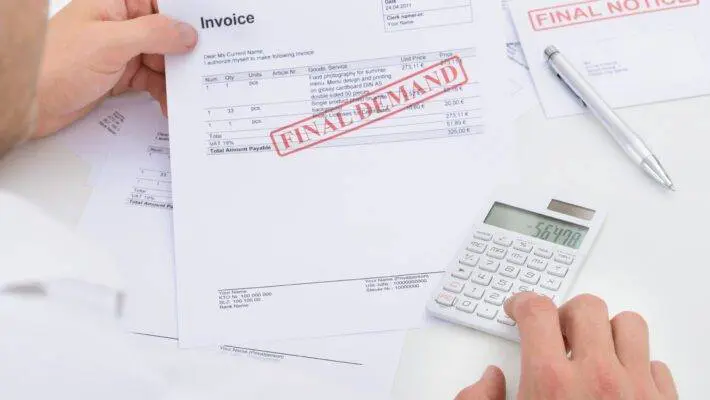
For UK businesses trading on credit terms, it has become one of the more widely used ways to release working capital that would otherwise sit locked in the sales ledger.
This guide explains what invoice factoring is, how the process works step by step, what it typically costs in 2026, how it differs from invoice discounting, and which businesses tend to benefit most from it.
Key takeaways
- Invoice factoring converts unpaid B2B invoices into an upfront cash advance, usually worth 80–90% of the invoice value.
- The factoring provider takes over credit control and collects payment directly from your customers, which means the arrangement is visible to them.
- Once the customer pays, the provider releases the remaining balance minus its fees.
- Costs are made up of a service fee (a percentage of turnover) and a discount charge (interest on the funds advanced).
- Eligibility is based largely on the creditworthiness of your customers, so it is often accessible to newer businesses that cannot yet secure a conventional loan.
What is invoice factoring?
Invoice factoring is a funding arrangement in which a business sells some or all of its outstanding invoices to a third party, known as a factor, and receives most of the invoice value in cash straight away. It is not a loan. Rather than borrowing against an asset, the business is effectively bringing forward money it is already owed.
Because the factor also takes over collecting the debt, factoring bundles two things together: fast access to cash and an outsourced credit control function. That second element is what distinguishes it most clearly from other forms of invoice finance, and it is the reason factoring appeals to businesses that would rather not spend time chasing late payers.
How does invoice factoring work?
Invoice factoring follows a consistent sequence, from the moment an invoice is raised to the point the balance is settled. In practice, most facilities work like this:
- You invoice your customer as usual. The business delivers goods or services and issues an invoice on its standard payment terms.
- You submit the invoice to the factor. The provider verifies the invoice and checks the creditworthiness of the customer who owes the money.
- The factor advances the bulk of the value. Typically 80–90% of the invoice is paid to the business within a day or two, sometimes on the same day once the facility is established.
- The factor collects payment. The provider manages credit control and chases the invoice to term, dealing with the customer directly.
- The balance is released, minus fees. When the customer pays in full, the factor forwards the remaining 10–20% to the business, less its service fee and discount charge.
A worked example
Suppose a business raises an invoice for £10,000 on 60-day terms and factors it at an 85% advance rate.
- The factor advances £8,500 within a couple of working days.
- The customer later pays the full £10,000 to the factor.
- The factor deducts its fees – say £250 in total – and releases the remaining £1,250.
- The business receives £9,750 of the original £10,000, but gets the majority of it weeks earlier than it otherwise would.
The trade-off is straightforward: the business gives up a portion of the invoice value in return for faster, more predictable cash flow.
Invoice factoring vs invoice discounting
Invoice factoring and invoice discounting both release cash tied up in unpaid invoices. The difference comes down to who chases the money and whether the arrangement is visible to your customers:
- Who collects the debt: with factoring, the provider takes over collections and chases payment to term; with discounting, the business continues to collect from its customers itself.
- Customer visibility: factoring is disclosed, so customers pay the provider directly and know a third party is involved; discounting is usually confidential, so customers need never know a facility is in place.
- Credit control: factoring outsources credit control to the provider; discounting keeps it in-house.
- Best suited to: factoring tends to suit smaller businesses or those without a dedicated credit control team; discounting is more common among larger firms that want to protect the customer relationship and are comfortable managing collections themselves.
In short, factoring hands both the funding and the collections to a specialist, while invoice discounting funds the invoices but leaves the business in control of its own ledger.
Types of invoice factoring
Factoring is not a single product. UK providers offer several variations, and the right one depends on how much risk a business wants to carry and how many invoices it wants to fund.
- Recourse factoring. The most common arrangement. If a customer ultimately fails to pay, the business is liable and must repay the advance. Because the provider carries less risk, recourse factoring is generally cheaper.
- Non-recourse factoring. The provider absorbs the loss if a customer becomes insolvent, subject to the terms agreed. This offers greater protection against bad debt but typically costs more, and providers usually restrict it to invoices raised against creditworthy customers.
- Selective (spot) factoring. The business chooses which individual invoices to factor rather than committing its entire ledger. This suits companies that only occasionally need to bridge a cash flow gap, or that want to factor a single large invoice.
- Whole-turnover factoring. The business factors all of its eligible invoices on an ongoing basis. This provides consistent funding and continuous credit control, and is often priced more competitively than selective facilities because of the volume involved.
How much does invoice factoring cost in the UK?
Invoice factoring costs are usually built from two main charges, plus occasional extras. Understanding both components makes it easier to compare providers on a like-for-like basis.
- The service fee. This covers credit control, collections and administration, and is charged as a percentage of gross turnover – often somewhere between 0.5% and 3%, depending on turnover, invoice volume and sector.
- The discount charge. This is effectively the interest on the money advanced, applied only while the funds are outstanding. In 2026 it is typically calculated as a margin over the Bank of England base rate, so the prevailing rate environment affects the total cost.
- Additional fees. Some agreements carry set-up costs, minimum monthly fees, invoice processing charges or termination fees. These vary widely, so it is worth reading the terms closely before committing.
Because pricing depends heavily on turnover, customer profile and the type of facility, published headline rates are only ever a starting point. Two businesses of similar size can be quoted quite differently based on the perceived risk of their customer base.
Advantages of invoice factoring
- Faster access to working capital. Cash is released in days rather than waiting out lengthy payment terms.
- Outsourced credit control. The provider chases payment, freeing up internal time and resource.
- Funding that scales with sales. As turnover and invoice volume grow, the available funding grows with it – unlike a fixed loan.
- Accessible to newer businesses. Because eligibility rests largely on customer creditworthiness, factoring is often available to firms that would struggle to secure a traditional loan.
- Protection against bad debt. Under a non-recourse arrangement, the provider can absorb losses if a customer becomes insolvent.
Disadvantages of invoice factoring
- It reduces the amount received per invoice. Fees and the discount charge eat into margins, so factoring is more expensive than simply waiting for payment.
- Customers are aware of the arrangement. Because the provider collects directly, factoring is visible in a way that invoice discounting is not.
- Loss of control over collections. How the provider communicates with your customers is largely out of your hands.
- Contractual commitments. Whole-turnover facilities can require you to factor all eligible invoices, and some agreements carry minimum terms or exit fees.
- Not every invoice qualifies. Providers may decline to fund invoices to customers with weak credit, or in sectors they consider higher risk.
Who is invoice factoring suitable for?
Invoice factoring works best for businesses that sell to other businesses on credit terms and that experience a gap between delivering work and getting paid. It is particularly common in sectors where long payment cycles and payroll pressures collide, including:
- Recruitment and staffing, where contractors must be paid before agency invoices are settled.
- Manufacturing and wholesale, where suppliers often wait weeks for large orders to clear.
- Construction and logistics, where contract values are high and payment terms are long.
It tends to suit smaller and growing businesses that would rather hand credit control to a specialist than build the function in-house. Companies that already run a strong internal finance team, or that place a high value on keeping funding arrangements confidential, may find invoice discounting a better fit.
How to choose an invoice factoring provider
Choosing a provider is about more than the headline rate. When comparing options, it is worth weighing several factors together:
- Recourse terms. Understand exactly who carries the risk if a customer does not pay, and what the buy-back period is.
- Disclosed or confidential. Confirm whether the facility is visible to your customers, and whether that matters for your relationships.
- Fee transparency. Ask for the total cost of the facility – service fee, discount charge and any extras – rather than a single rate.
- Contract length and flexibility. Check the minimum term, notice period and any termination fees.
- Regulation and reputation. In the UK, reputable providers are typically authorised and regulated by the Financial Conduct Authority. Independent reviews and sector experience are useful additional signals.
Comparing several providers, rather than accepting the first quote, is the surest way to find terms that genuinely fit the business.
Frequently asked questions
Is invoice factoring a loan?
No. Invoice factoring is not borrowing. Instead of taking on debt, the business sells its unpaid invoices and receives an advance against money it is already owed. Because it is not a loan, it does not typically add debt to the balance sheet in the same way.
How quickly can you get funds through invoice factoring?
Once a facility is set up, funds are usually advanced within 24–48 hours of an invoice being verified, and some providers offer same-day funding. The initial set-up, which involves credit checks on your customers, can take anywhere from a few days to a couple of weeks.
Will my customers know I am using invoice factoring?
Yes. With standard invoice factoring the provider collects payment directly, so customers pay the factor rather than the business and are aware of the arrangement. Businesses that want to keep the facility private usually opt for confidential invoice discounting instead.
Can a new business use invoice factoring?
Often, yes. Because eligibility depends largely on the creditworthiness of your customers rather than your own trading history, factoring can be more accessible than a conventional loan for newer businesses. Some providers still apply a minimum trading period, so it is worth checking the criteria.
Is invoice factoring regulated in the UK?
Invoice factoring itself is not regulated in the same way as consumer lending, but the majority of established UK providers are authorised and regulated by the Financial Conduct Authority for related activities. Checking a provider’s regulatory status and industry membership is a sensible first step.
What is the difference between recourse and non-recourse factoring?
Under recourse factoring, the business remains liable if a customer fails to pay and must repay the advance. Under non-recourse factoring, the provider absorbs the loss if a customer becomes insolvent, subject to the agreed terms. Non-recourse offers more protection but usually costs more.
Summary
Invoice factoring gives UK businesses a way to turn unpaid invoices into working capital quickly, while handing credit control to a specialist provider. It suits B2B companies dealing with long payment terms – particularly in recruitment, manufacturing, construction and logistics – and it is often available to newer businesses that cannot yet access traditional lending. The main trade-offs are cost and visibility: factoring reduces the net value of each invoice, and customers are aware of the arrangement. Whether it is the right choice depends on a business’s cash flow needs, its appetite for cost, and how much it values keeping collections in-house.
This article is intended as general information about invoice factoring and does not constitute financial advice. Costs, eligibility and terms vary between providers and according to individual circumstances. Businesses should compare providers and seek advice from a qualified professional before entering into any finance agreement.