


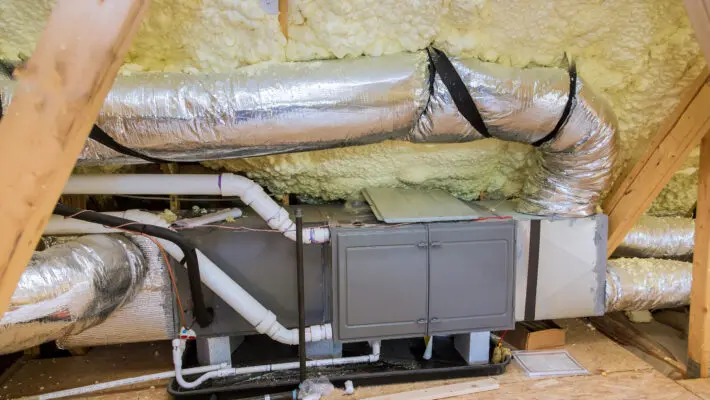
The solution? Effective pipe insulation. Investing in quality insulation materials can safeguard your pipes from freezing temperatures and ensure a worry-free winter.
However, with so many insulation options, choosing can be challenging. That said, this article will explore the top materials ideal for insulating your home’s pipes.
1. Mineral Wool Insulation
Mineral wool insulation is made from natural materials like basalt rock or slag. It is known for its excellent insulation and fire-resistant properties.
- Features: This material is non-combustible, resists moisture, and can withstand temperatures up to 1,800°F.
- Benefits: Mineral wool provides superior insulation for both hot and cold pipes. It’s also resistant to mold, mildew, and pests, making it a durable choice for long-term use.
- Best Use Cases: Industrial applications, outdoor plumbing, and areas where fire resistance is critical.
- Considerations: Mineral wool fibers can irritate skin and lungs during installation, so proper safety gear is essential. It’s also heavier and less flexible than foam or rubber options.
2. Foam Pipe Insulation
Foam pipe insulation is one of the most commonly used materials due to its ease of use and affordability. Made from polyethylene or rubber foam, it comes in pre-slit tubes that can easily slip over pipes.
- Features: Foam insulation is lightweight and flexible, making it user-friendly for DIY installations. It resists moisture and has a smooth outer surface.
- Benefits: This material is excellent for insulating hot and cold water pipes. It helps maintain water temperature in hot pipes while preventing condensation in cold pipes.
- Best Use Cases: It’s ideal for indoor use, particularly in mild climates where extreme temperatures are less of a concern.
- Considerations: Foam insulation is not designed for high-temperature applications or outdoor use unless an additional weatherproof covering is applied.
3. Fiberglass Pipe Wrap
Fiberglass is a highly effective material for insulation, particularly for pipes exposed to high temperatures. It typically comes with a built-in vapor barrier, reducing the risk of moisture damage.
- Features: Fiberglass has high thermal resistance, tolerating temperatures up to 1,000°F. The material is dense and provides excellent insulation.
- Benefits: Its ability to withstand extreme temperatures makes it perfect for insulating hot water and steam pipes. The vapor barrier also minimizes heat loss and prevents condensation.
- Best Use Cases: Suitable for outdoor pipes, industrial settings, or areas where pipes are exposed to extreme heat.
- Considerations: Fiberglass fibers can irritate the skin and lungs during installation, so protective gear is essential.
4. Rubber Pipe Insulation
Rubber insulation is a durable and versatile option that performs well in various conditions. It’s made from synthetic rubber, providing excellent flexibility and environmental resistance.
- Features: This material is resistant to UV light, ozone, and extreme temperatures, making it durable outdoors.
- Benefits: Rubber insulation can expand and contract with temperature changes, preventing cracking or splitting over time. It provides excellent thermal and sound insulation.
- Best Use Cases: Refrigeration lines, outdoor plumbing, or pipes in areas with frequent temperature fluctuations.
- Considerations: While effective, rubber insulation is more expensive than foam alternatives, which may impact its feasibility for larger projects.
5. Foil and Foam Wrap
Foil and foam wraps are lightweight and versatile insulation options, combining a foam layer with reflective foil.
- Features: The foam core provides insulation, while the reflective foil enhances energy efficiency by directing heat back into the pipe.
- Benefits: It’s easy to install and cut to fit irregular shapes. The reflective foil prevents heat loss and reduces freezing risks.
- Best Use Cases: Outdoor or exposed pipes in moderate climates where a reflective barrier is beneficial.
- Considerations: This material may offer a different level of insulation than thicker options like fiberglass or rubber, making it less effective in frigid climates.
6. Pipe Heat Tape
Pipe heat tape is an electrical product designed to prevent pipes from freezing. It delivers direct heat to the pipe surface.
- Features: Heat tape is often self-regulating, adjusting its heat output based on the ambient temperature.
- Benefits: It provides reliable freeze protection for pipes exposed to extremely low temperatures. For maximum effectiveness, it’s often used alongside traditional insulation materials.
- Best Use Cases: Outdoor pipes, exposed water lines, or areas with harsh winters where freezing is a major concern.
- Considerations: Heat tape requires access to an electrical source and careful installation to avoid safety risks such as overheating or fire.
7. Spray Foam Insulation
Spray foam is a highly versatile insulation material that expands to fill gaps and irregular spaces around pipes.
- Features: Spray foam adheres to surfaces and creates an airtight seal, providing superior thermal resistance.
- Benefits: It’s ideal for insulating hard-to-reach areas or pipes with complex layouts. The material also prevents air leaks and moisture buildup.
- Best Use Cases: Pipes in tight spaces or areas where traditional insulation materials may not fit properly.
- Considerations: Spray foam can be messy to apply and requires precision. Professional installation is often recommended for larger or more complex projects.
Selecting the right material depends on your specific needs, climate, and the type of pipes you are insulating. Proper installation is key to maximizing the benefits of your chosen insulation.
Conclusion
Investing in quality pipe insulation can significantly reduce the risk of frozen pipes and protect your home from potential water damage. The materials discussed in this guide offer practical solutions for various pipe types and installation scenarios. Consider insulation thickness, ease of installation, and cost-effectiveness when selecting the right material for your specific needs.