


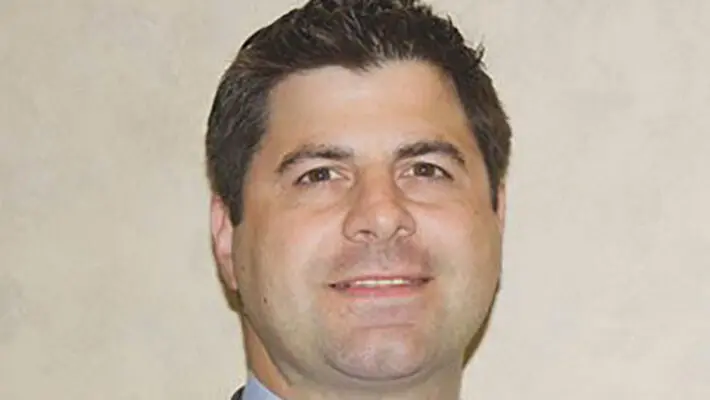
The Lexington-based plastic surgeon has spent more than a decade building a practice centered on patient satisfaction, careful communication, and long-term results. His path to medicine was not typical. Before becoming a surgeon, Gerstle attended the United States Military Academy at West Point, served in the Army, and trained at some of the country’s top institutions.
Today, he leads Lexington Plastic Surgery while balancing a demanding career with family life and a personal passion for woodworking. Along the way, he has developed a reputation for detailed care and calm leadership in a field where expectations are often high and deeply personal.
“Every patient is unique,” Gerstle says. “You have to listen first. If you don’t understand what matters to that person, you can’t really help them.”
How Theodore Gerstle’s Early Life Shaped His Leadership Style
Gerstle grew up in Westchester, New York, in a family with strong Kentucky roots. As a teenager, he balanced academics with athletics, playing lacrosse and running cross country at Iona Prep High School.
He also became an Eagle Scout, an achievement that required years of discipline and leadership training.
“That experience stayed with me,” he says. “The Boy Scouts taught me responsibility early. It taught me that leadership is really about service.”
That mindset later guided one of the biggest decisions of his life: attending the United States Military Academy at West Point.
At West Point, Gerstle earned a degree in Engineering Management. The environment was structured and intense. Students were expected to lead under pressure while managing difficult academic and physical demands.
“West Point teaches accountability,” Gerstle says. “You learn quickly that details matter and that people are counting on you.”
Those lessons would later shape the way he approached surgery and patient care.
Why Dr. Theo Gerstle Chose Medicine After Military Service
After completing his military commitment, Gerstle began thinking seriously about his future. He wanted work that combined technical skill with personal impact.
Medicine became the clear answer.
“I realized medicine was the best way for me to continue helping people,” he says.
He attended the University of Louisville School of Medicine, where he quickly emerged as a leader among his classmates. Gerstle was elected class president each year he attended medical school. He also earned acceptance into the Alpha Omega Alpha Honor Society, one of the highest academic honors in medicine.
By graduation, he had earned another distinction. He was selected to speak as the distinguished graduate at the university’s commencement ceremony.
“It was a huge honor,” he says. “But it also reminded me how much responsibility comes with this profession.”
Harvard Plastic Surgery Training and Advanced Surgical Experience
After medical school, Gerstle moved to Boston for the prestigious Harvard Combined Plastic Surgery Residency Program.
The training was demanding. Long hours, complex procedures, and constant evaluation became part of daily life.
But the experience helped refine the careful approach that now defines his practice.
“In plastic surgery, there’s no room for shortcuts,” Gerstle says. “You have to be precise. Small details can completely change an outcome.”
During his training, he developed expertise across several specialties, including facial rejuvenation, breast surgery, body contouring, reconstructive surgery, and emergency repair procedures.
He also expanded his work into migraine treatment. Gerstle now offers several approaches for migraine patients, including nerve blocks, Botox treatments, and surgical options.
“Helping someone with chronic migraines can truly change their quality of life,” he says. “That’s incredibly rewarding.”
Building Lexington Plastic Surgery Around Patient Satisfaction
Since entering private practice in 2014, Gerstle has focused on building Lexington Plastic Surgery into a patient-centered practice.
His philosophy is simple: natural-looking results matter more than dramatic changes.
“Most of my patients want to look refreshed, not different,” he says. “The goal is to help patients feel confident while still looking like themselves.”
That approach reflects a larger trend in plastic surgery. Many patients today are looking for subtle improvements and shorter recovery times instead of overly aggressive procedures.
Gerstle says communication plays a major role in achieving those outcomes.
“The consultation is one of the most important parts of the process,” he says. “Patients need honest conversations. They need realistic expectations.”
He believes trust is earned through transparency and consistency over time.
That mindset has helped him navigate both the medical and business sides of a competitive industry.
Theodore Gerstle on Balancing Career, Family, and Perspective
Outside the operating room, Gerstle spends most of his time with his three children. He also enjoys woodworking, a hobby that mirrors the precision required in surgery.
“There’s something satisfying about building things with your hands,” he says. “Woodworking actually requires a lot of the same patience and focus.”
That balance has become increasingly important over the years.
Medicine can be stressful, especially in a specialty where patients often arrive with emotional concerns as well as physical goals.
Gerstle says staying grounded matters.
“At the end of the day, this work is about people,” he says. “You never want to lose sight of that.”
As plastic surgery continues to evolve, Gerstle remains focused on the fundamentals that shaped his career from the beginning: discipline, accountability, and patient trust.
For him, leadership is not about visibility or attention. It is about consistency.
“You show up every day,” he says. “You do the work the right way. Over time, people notice that.”