


These hospitals serve small towns and remote areas. If they disappear, entire communities lose fast access to emergency care. Patients have to travel for hours. Sometimes they don’t make it in time.
One of the main problems? Radiology.
Scans are how doctors catch strokes, fractures, cancers, and more. Without fast, accurate reads, care slows down. Mistakes increase. Lives are at risk.
But rural hospitals can’t always afford full-time radiologists. Even when they can, finding one willing to move there is tough.
That’s where smart imaging support makes a real impact.
Who’s Solving the Problem
The Radiology Group Atlanta works with rural hospitals across the country. They’re not chasing big city contracts. Their mission is to keep small hospitals strong by giving them fast, expert radiology reads—any time, day or night.
Their radiologists include subspecialists in areas like brain, breast, and bone imaging. They don’t just read the scans—they help local doctors make hard calls in real time.
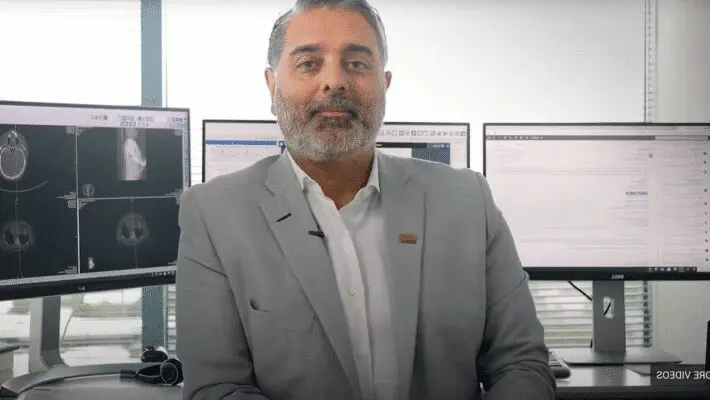
Dr. Anand Lalaji from the group shared one story: “A rural ER team called us late one night. They saw something odd on a CT scan. Was it a bleed or just a shadow? Our neuro-radiologist reviewed it right away and confirmed a small brain hemorrhage. That patient was flown out and treated within the hour.”
That kind of speed saves lives. And that kind of support keeps hospitals open.
The Numbers Tell the Story
A 2022 report from the National Rural Health Association found that delays in diagnosis cost hospitals an average of $6,000 per patient.
Another study in the Journal of Rural Health showed that hospitals with access to specialized imaging saw 22% fewer unnecessary patient transfers. That means fewer helicopter rides, fewer bills, and fewer beds taken up elsewhere.
Hospitals that catch problems early save money. Patients stay local. Trust in the hospital grows.
What Smart Imaging Support Looks Like
Subspecialists for the Right Scan
Most hospitals send all scans to the same reader. But one person can’t be an expert in everything.
The Radiology Group Atlanta assigns the right radiologist for the scan. A mammogram goes to a breast imager. A back injury goes to a musculoskeletal specialist. A head injury goes to a neuro expert.
This lowers errors and speeds up decisions. No guesswork. No delays.
Real-Time Communication
One reason small hospitals struggle with outside radiology is poor communication. Some groups take hours to respond. Others don’t take calls at all.
The Radiology Group Atlanta uses secure tools that let doctors text or call directly. No ticketing system. No layers of support staff.
One nurse at a partner hospital said, “We had a patient in pain and needed answers. I messaged the radiologist and got a response in under five minutes. We started treatment before the shift ended.”
That kind of access changes everything.
Consistent Teams
Hospitals don’t want rotating strangers reading their scans. Trust comes from consistency.
That’s why The Radiology Group Atlanta keeps the same team on each account. They know the local staff. They know the workflows. They know what matters most to that hospital.
When people know each other, they work better together.
On-Site Visits
Yes, it’s a remote service. But they show up anyway.
Their team visits partner hospitals in person. They meet the staff. They walk the halls. They learn the rhythm of the place.
“After we visited one of our hospitals, the tech team told us, ‘You’re the only radiology group that ever came out here,’” said Dr. Tejal Lalaji. “Now they call us first because they know we care.”
How Small Hospitals Can Maximize Radiology
Choose a Partner, Not a Vendor
Cheap services are tempting. But you get what you pay for. Hospitals should ask questions before signing up:
- Who will read our scans?
- Are they subspecialists?
- How fast are the reports?
- Can we talk to them directly?
- Will they visit us?
Picking the right group can mean the difference between a working hospital and one struggling to keep its ER open.
Track What Matters
Don’t just measure cost. Track the impact.
- How fast are the scans read?
- How often do second opinions change the results?
- How many transfers were avoided?
- What do the doctors and nurses say about the reports?
These numbers tell the real story.
Make Radiology Part of the Team
Don’t treat imaging like an outside task. Loop the radiologists in.
- Invite them to case reviews.
- Share feedback.
- Build a relationship.
When radiology feels like part of the hospital, everyone benefits.
What Imaging Groups Should Be Doing
This isn’t just on hospitals. Radiology groups need to step up too.
Here’s what works:
- Assign small, consistent teams
Let hospitals get to know their radiologists. - Use fast, secure tools
Make communication simple and direct. - Offer subspecialty reads
Don’t make generalists guess on complex cases. - Visit hospitals
Even once a year makes a difference. - Ask for feedback and act on it
Relationships grow when people feel heard.
Why It All Matters
When a hospital closes, it’s not just a building that shuts down. It’s a whole network of care that disappears.
Specialized radiology can keep that network alive. It helps doctors act fast. It avoids expensive transfers. It keeps patients close to home.
Hospitals that partner with the right imaging group can survive—even thrive—in tough times.
The Radiology Group Atlanta is helping prove that. One scan, one hospital, one trusted relationship at a time.