


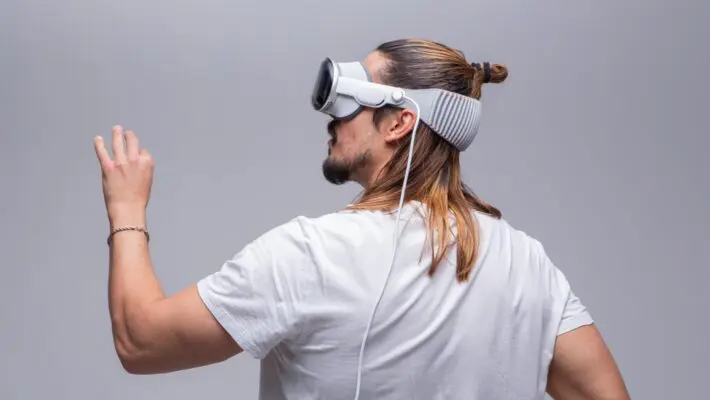
These technologies are already transforming sports broadcasting, fan interaction, and data visualization, providing immersive and interactive experiences that go beyond traditional betting platforms.
As VR and AR become more advanced, they offer new ways to analyze odds, track live statistics, and make informed betting decisions. In particular, in-play betting stands to benefit significantly, as these technologies could allow bettors to experience real-time matches from multiple angles, overlay betting data on live games, and interact with virtual sportsbooks in immersive environments. For those who enjoy wagering on cricket, Cricket betting – top international & domestic leagues offers extensive opportunities across major tournaments worldwide.
VR technology has the potential to replace traditional online betting platforms with immersive, 3D environments where users can place bets as if they were inside a real sportsbook or stadium. Bettors could:
- Enter a virtual sportsbook, where they interact with betting odds on large digital screens.
- Walk through a 3D stadium, experiencing the game as if they were watching live from premium seats.
- Communicate with other bettors and analysts in social betting spaces, mimicking the excitement of real-world betting environments.
By providing a fully immersive atmosphere, VR makes betting more engaging, social, and interactive, bridging the gap between traditional sportsbooks and real-life game experiences.
One of the biggest limitations of sports betting is the inability to fully immerse oneself in the live action while tracking bets. With VR, bettors could:
- Watch live matches in a 360-degree stadium view, experiencing the game from any perspective.
- Switch camera angles instantly, allowing for a better view of in-play developments.
- Access real-time betting data overlays, displaying odds, player statistics, and betting trends without leaving the VR environment.
Unlike VR, which creates fully immersive environments, AR enhances the real world by overlaying digital information onto a user’s surroundings. In sports betting, AR could be used to display live betting data, stats, and odds directly on the screen while watching a game. For example:
- AR glasses or mobile apps could project real-time odds and probabilities onto a user’s TV or mobile screen while they watch a match.
- Bettors could point their phone at the field or players and receive detailed performance statistics and betting trends for each athlete.
- Live betting odds could be displayed next to the scoreboard, allowing for instant wagering without switching apps.
This technology would streamline in-play betting, making it easier for users to react quickly to game developments without disrupting their viewing experience.
AR betting apps could introduce interactive features that help bettors make smarter wagers. Features could include:
- Predictive analytics overlays, showing how likely a team is to score based on current momentum.
- Simulated betting scenarios, allowing users to test wagers before placing real bets.
- Gesture-based betting, where users can place bets with simple hand motions or voice commands using AR-enabled devices.
These enhancements would provide bettors with real-time insights and decision-making tools, reducing guesswork and improving the overall betting experience.
The Impact of VR & AR on In-Play Betting
In-play betting is one of the fastest-growing markets in sports betting, and VR/AR could take it to the next level. These technologies would allow bettors to:
- React instantly to match developments, placing bets directly from a VR headset or AR overlay.
- Get deeper insights into player performance, fatigue levels, and strategy shifts in real time.
- Experience the game in a more engaging way, making live betting more interactive and entertaining.
By integrating real-time betting markets into immersive sports viewing, VR and AR could revolutionize how bettors interact with live odds. For horse racing enthusiasts, Bet on Grand National & Irish horse racing events to enjoy the thrill of top-tier races with dynamic betting options.
One of the biggest challenges in sports betting is processing large amounts of data quickly. VR and AR could provide bettors with interactive dashboards, displaying:
- Advanced metrics like expected goals (xG), possession percentages, and momentum graphs.
- Historical trends and AI-driven predictions, allowing for smarter in-play betting choices.
- Real-time odds movement, highlighting value betting opportunities as they arise.
This technology would not only enhance betting speed but also improve decision accuracy, making it easier for users to spot profitable bets in live markets.
Despite the potential of VR and AR, there are barriers to widespread adoption, including:
- Hardware costs – VR headsets and AR-enabled devices are still expensive for many users.
- Technology limitations – Live sports broadcasting in VR requires high-speed connectivity and advanced processing power.
- Regulatory concerns – Betting laws vary worldwide, and integrating AR/VR into gambling platforms may face legal scrutiny.
However, as technology advances and costs decrease, more sportsbooks are likely to adopt VR and AR features, creating new and exciting ways for bettors to engage with live sports. Virtual and augmented reality are set to revolutionize sports betting, offering bettors immersive experiences, real-time data overlays, and advanced interactive features.