


The wrong supplier can lead to delays, quality issues, and increased costs, while the right partner can accelerate development, ensure consistent quality, and provide valuable technical expertise.
This guide walks through a step-by-step approach to shortlisting and assessing UK plastics manufacturers, helping you make informed decisions for 2025 and beyond.
Step 1: Clarify Volumes, Tolerances, and Requirements
Before reaching out to potential suppliers, you need to have a clear understanding of your own production requirements. Key questions include:
- What are your expected order volumes, including prototype runs, low-volume production, or high-volume orders?
- What tolerances are required for your parts, and how critical are they for assembly or function?
- Do your products need specialized finishes, colors, or surface treatments?
- Are there specific regulatory or sector standards that must be met?
By defining these parameters upfront, you can filter out suppliers that aren’t equipped to meet your needs, saving time and avoiding costly misalignments.
Step 2: Verify UK Plastics Manufacturing Capabilities
Once you have your requirements, assess potential partners’ capabilities. Look for providers with a proven track record in delivering consistent quality across a range of materials and techniques. This is also the stage to confirm domestic capacity, which can reduce lead times and shipping complexity.
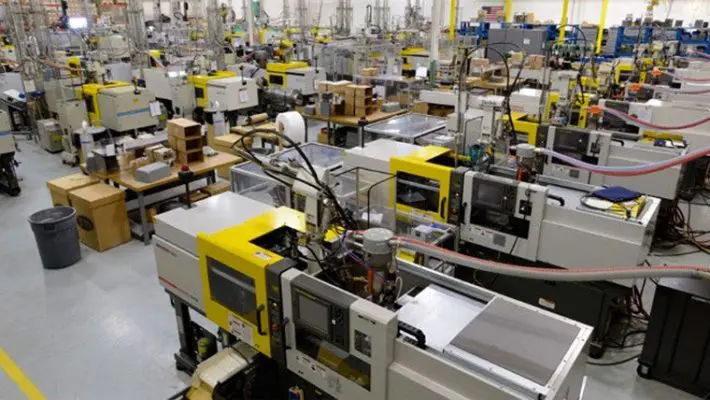
For example, evaluating plastic injection moulding providers allows you to confirm:
- Breadth of materials expertise, including thermoplastics, engineering polymers, and custom compounds
- Knowledge of various production techniques, from standard injection moulding to multi-shot and high-precision processes
- Ability to handle both prototype and high-volume production runs
- In-house tooling design and maintenance support to minimize delays
Working with a partner that demonstrates versatility and strong UK capacity can provide confidence that they can scale with your business while meeting quality standards.
Step 3: Verify Certifications and Compliance
Certifications are a clear indicator of a manufacturer’s quality and compliance standards. Consider verifying:
- ISO 9001 for quality management systems
- ISO 14001 for environmental management if sustainability is a priority
- Sector-specific certifications (medical, automotive, aerospace) relevant to your products
- Health and safety compliance in line with UK regulations
Checking these credentials ensures that your manufacturer adheres to globally recognized standards, which reduces risk and supports long-term partnerships.
Step 4: Review Sector and Material Expertise
Not all plastics manufacturers are created equal. Some specialize in packaging, others in automotive components, electronics, or medical devices. Aligning a supplier’s sector experience with your own can help avoid costly mistakes and shorten development timelines.
Consider the following:
- Materials Know-How: Look for experience with the specific polymers, additives, or fillers your products require.
- Production Techniques: Advanced techniques like multi-shot moulding, insert moulding, or overmoulding may be necessary depending on your design.
- Past Projects: Case studies or references can reveal how the supplier handles similar parts and tolerances.
By ensuring material and sector alignment, you reduce the risk of errors and gain access to valuable technical insights during development.
Step 5: Stress-Test Tooling, Quality, and Lead-Time Commitments
Before committing, it’s wise to test potential suppliers on three fronts: tooling, quality, and lead times.
- Tooling: Ask about in-house tool design, maintenance capabilities, and the expected lifespan of moulds.
- Quality Control: Review inspection protocols, defect rates, and the ability to provide detailed documentation.
- Lead Times: Confirm production schedules, flexibility for urgent runs, and contingency planning.
Running a small pilot project or requesting prototype parts can help validate these factors. It also allows you to gauge responsiveness and communication quality, an often overlooked aspect of supplier reliability.
Step 6: Model Total Landed Cost and Risk
Price alone shouldn’t be the deciding factor. When evaluating suppliers, consider total landed cost, which includes:
- Unit cost per part
- Tooling and setup fees
- Shipping, duties, and logistics
- Risk factors like delays, scrap rates, or production errors
A slightly higher unit cost with a reliable UK-based manufacturer may ultimately be cheaper and safer than choosing a low-cost overseas alternative with uncertain delivery and quality.
Step 7: Establish Clear Communication and Partnership
A successful manufacturing relationship relies on clear, proactive communication. Ensure that your chosen supplier:
- Provides a dedicated account manager or point of contact
- Responds quickly to queries and updates
- Offers transparency in tooling progress, production status, and quality checks
- Works collaboratively on continuous improvement initiatives
Building a partnership mindset ensures that your supplier becomes a true extension of your team, supporting growth rather than just executing orders.
Final Thoughts
Selecting a UK plastics manufacturing partner is a multi-step process that requires careful planning, due diligence, and practical testing. Choosing the right partner is more than a transactional relationship. It’s an investment in reliability, scalability, and product excellence.
By following these steps, businesses can confidently select a UK manufacturer that meets technical requirements, aligns with business goals, and helps navigate the demands of 2025 and beyond.