


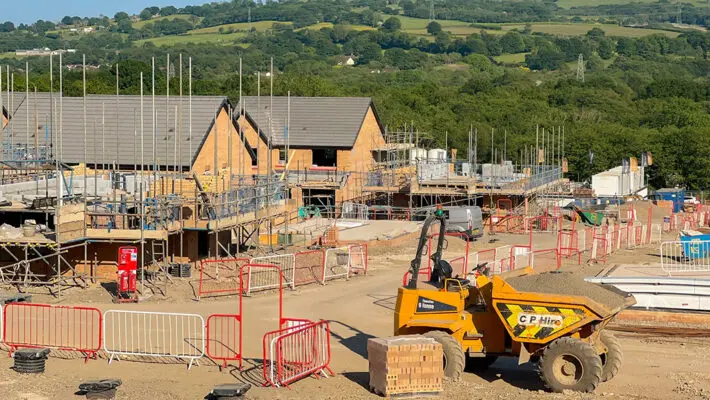
Many delays stem from avoidable issues such as poor planning, resource shortages, or communication breakdowns that disrupt the project timeline.
The key to staying on schedule begins well before construction starts. Clear project planning, accurate timelines, and strong coordination help teams anticipate potential bottlenecks. When every stakeholder understands their responsibilities and deadlines, projects progress with fewer surprises and smoother collaboration.
Technology also plays a major role in preventing costly delays. By centralizing critical project data and workflows, digital solutions such as ERP software for construction companies connect project schedules, procurement, budgets on a single platform. This integration provides managers with real-time visibility across the entire job site, enabling faster decision-making when risks arise.
Ultimately, successful projects combine careful planning, effective communication, and intelligent digital tools. By closely tracking progress, coordinating teams efficiently, and responding promptly to unexpected issues, construction firms can keep projects on schedule and deliver results exactly as promised.
Common Reasons for Construction Delays
Construction delays are one of the most persistent challenges in the industry, and understanding why they occur is the first step toward preventing them. Whether in the UAE or globally, projects often fall behind schedule due to a mix of planning, execution and external factors — many of which can be anticipated and managed with the right strategies.
Here are some of the most common reasons construction projects fall behind schedule:
- Inadequate early planning and scheduling. Poor planning, lack of detailed timelines or unclear sequencing often leads to confusion and delays once work begins.
- Design changes and scope creep. Mid‑project design revisions, change orders or evolving requirements force teams to rework plans and schedules.
- Material and supply chain issues. Late deliveries, shortages of critical materials or complex import logistics can halt work or force crews to wait on site.
- Labour shortages and productivity challenges. A lack of skilled workers or low craft productivity slows progress compared to planned output.
- Permitting and approval delays. Slow regulatory reviews or incomplete documentation can push back start dates or stall key tasks.
- Financial and cash‑flow issues. Budget shortfalls or slow client payments can force work pauses until funds are resolved.
Strategies to Avoid Construction Delays
Staying on schedule requires more than just hoping things run smoothly — it means planning ahead, managing risks, and coordinating every part of your project from start to finish. By implementing proactive strategies, construction teams can reduce delays and keep milestones on track, even when faced with common disruptions.
Delays don’t just push back delivery dates — they can inflate budgets, damage client relationships, and erode profit margins. By combining thoughtful planning, strong communication and adaptive management, construction teams can reduce uncertainty, react faster to change, and safeguard project timelines against challenges.
Robust Project Planning and Scheduling
Effective project planning and scheduling form the foundation of delivering construction projects on time and within budget. These processes define what needs to be done, when, by whom and in what order, creating a clear roadmap for execution that minimises idle time, resource conflicts and misunderstandings.
Here are effective practices that strengthen planning and reduce the risk of delays:
- Develop a comprehensive Work Breakdown Structure (WBS). Break the project into smaller, manageable tasks and subtasks so nothing is overlooked and responsibilities are clear. This acts as the foundation for detailed scheduling.
- Use proven scheduling techniques. Tools like the Critical Path Method (CPM) and Program Evaluation and Review Technique (PERT) help identify the sequence of critical activities and reveal how delays could affect overall timelines.
- Set realistic durations and dependencies. Base estimates on historical data, current labour availability and actual supply timelines rather than optimistic assumptions to create schedules that reflect real conditions.
- Build in contingency time. Allocate buffer time around high‑risk activities and dependencies so that unexpected issues like supply delays or weather don’t derail the entire schedule.
- Identify and analyse schedule risks. Conduct a risk assessment early to anticipate potential delays and plan mitigation strategies, such as alternative suppliers, flexible sequencing or phased deliveries.
- Integrate planning with procurement and resource allocation. Ensure material orders, labour assignments and equipment availability are synchronised with the schedule to avoid gaps that can halt work.
Resource Coordination and Management
Effective resource coordination and management is crucial for keeping construction projects on schedule. In construction, resources include people, equipment, materials, and even subcontractor teams — and if these aren’t planned and coordinated carefully, work can stall while teams wait for what they need.
Good resource coordination aligns scheduling with actual site needs, making sure tasks aren’t delayed because labour isn’t available, equipment is double‑booked or materials arrive late. It also helps project managers anticipate conflicts and balance workloads so crews stay productive throughout the build.
Key practices for resource coordination:
- Plan resource needs early. Identify all required labour, equipment and materials during preconstruction so you can schedule them alongside project tasks.
- Use a resource breakdown structure (RBS). Map resources hierarchically by type (labour, materials, equipment) so nothing is overlooked during allocation.
- Synchronise procurement and schedule. Link material delivery dates with task timelines to avoid workers waiting on supplies or equipment.
- Match skills to tasks. Assign workers and subcontractors based on their expertise so tasks are completed efficiently and without rework.
- Monitor and adjust usage. Track resource utilisation throughout the project and reallocate or supplement resources as needed to maintain momentum.
Clear Communication and Team Alignment
One of the most effective strategies for avoiding construction delays is fostering clear communication and strong team alignment throughout the project lifecycle. Construction involves many moving parts — designers, contractors, subcontractors, suppliers and clients — all working toward shared goals.
When communication breaks down, misunderstandings easily occur, leading to mistakes, rework and schedule slippage. Clear, consistent information flow helps keep everyone on the same page, reducing unnecessary delays and improving collaboration.
Key practices to improve communication and alignment:
- Establish a clear communication plan. Define how information will flow among stakeholders, who communicates what, and how often updates are shared. This clarity prevents mixed messages and keeps teams synchronized.
- Hold regular progress meetings. Daily or weekly check‑ins allow team members to share updates, explain challenges, adjust expectations and confirm next steps before issues escalate.
- Use centralised communication platforms. Tools like project management or messaging software keep updates, documents and conversations in one place, reducing confusion and ensuring everyone sees the latest information.
- Assign clear points of contact. Designate specific team members as communication leads so questions have a single go‑to person, reducing delays caused by uncertainty or mixed instructions.
Risk Identification and Mitigation
To avoid construction delays and stay on schedule, teams must first identify potential risks early and then develop plans to mitigate their impact before they disrupt the project. Construction risk management is a proactive, structured process that helps managers foresee threats and build responses that keep timelines intact.
Here are practical actions construction teams can take to reduce the chance that risks become schedule delays:
- Conduct thorough risk assessments early. Before breaking ground, list potential schedule threats and evaluate their likelihood and impact.
- Develop contingency plans. For each major risk (e.g., material delays, labour gaps), create a pre‑approved backup course of action to implement if the risk materialises.
- Use risk registers and planning tools. Maintain a central risk log that tracks identified risks, mitigation actions, ownership and status throughout the project.
- Analyse past project data. Look at previous projects to understand which risks actually led to delays and refine risk identification based on real experience.
- Allocate buffer time for high‑risk activities. Integrate reasonable time buffers into schedules where risk exposure is highest, such as approvals or long‑lead materials.
- Monitor and control risks continuously. Rather than assessing risks only at the start, revisit and update risk profiles as work progresses to catch emerging threats early.
Conclusion
Avoiding construction delays and staying on schedule requires proactive planning, clear communication and continuous oversight. Construction delays are caused by many factors but research shows that most delays can be mitigated with the right approach.
Key practices such as creating detailed critical path schedules, engaging stakeholders early, and using buffers for unexpected issues turn scheduling from a static document into a dynamic management tool. These techniques help keep everyone aligned on priorities and provide clarity on what must be completed and when.