


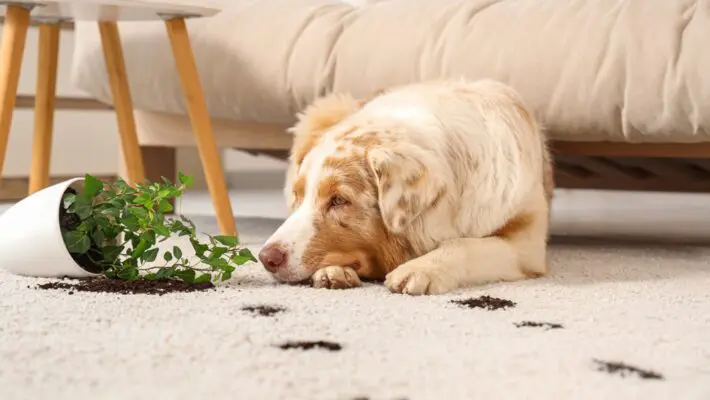
Dust shows up quicker in open-plan spaces. Pet hair clings to rugs like it pays rent. Kitchen floors pick up that thin film from cooking and foot traffic, even when there wasn’t a “spill”.
Brands clocked the mood. They stopped obsessing over one big brag number and started chasing a different win: less hassle. Brush rolls that don’t choke on hair. Sensors that adjust without constant button-pressing. Self-clean cycles that cut down the grim bit after the clean. Even the shape of machines changed, because getting under a sofa matters more than another flashy stat.
That shift explains why Dyson still holds a premium lane, why Shark keeps winning on practicality, why Dreame pushes hard on feature-heavy cleaning tech, and why Tineco leans into wet-dry cleaning as its own category. Under the branding, this is competition in plain clothes: remove friction, shorten the boring parts, and make daily use feel easy. SMEs can nick that mindset and apply it almost anywhere.
What “Best Vacuum” Means in 2025
“Best” rarely means “most powerful” anymore. In real homes, the winner is usually the vacuum that gets used three times a week, not the one that lives in a cupboard because it feels like a chore.
A simple way to think about it: floors, mess, and the daily routine.
Floors come first, not the brand badge
A vacuum can look brilliant on paper and still feel wrong in the actual space.
- Hard floors (vinyl, tile, sealed wood) show grit and sticky marks fast, especially near the kitchen and front door. A wet-dry setup can make sense here because it tackles dust and the “why is this still tacky?” patch in one go.
- Carpets and rugs hide dirt until they suddenly don’t. They also trap hair deep down, so a solid dry vacuum still matters.
- Small flats and shared places need something easy to turn, store, and grab. If it bangs into chair legs and needs a full reassemble every time, it won’t get used.
This is where the category split starts to matter. A traditional stick vacuum suits quick crumbs and stairs. A Tineco wet and dry vacuum cleaner suits hard-floor zones that get messy on repeat. Neither fixes every problem alone, and that’s fine.
Daily mess beats “big clean” fantasy
Most dirt shows up in boring little moments: cereal dust near the counter, muddy prints by the door, hair in the hallway, a splash of sauce that dries before anyone notices. The “best” vacuum handles those moments without turning them into a project.
Look for practical stuff over headline features:
- Easy start-up (no fiddly steps before it even starts)
- Head that reaches under low furniture
- Brush roll that doesn’t turn into a hair bracelet
- Tanks or bins that empty without drama
The boring upkeep decides everything
This part decides long-term happiness more than suction numbers.
If a vacuum needs loads of post-clean fuss, it gets used less. Floors get worse. Then the weekend clean takes longer. It turns into a cycle.
The real “best” pick usually wins on:
- Quick empty and rinse
- Parts that dry properly, so smells don’t build up
- Filters that clean without falling apart
- Fewer clogs, less hair cutting, fewer “why has it stopped?” moments
In 2025, brands compete on friction. The smart ones shave minutes off setup, cleaning, and cleanup.
The Four Vacuum Types People Actually Buy (and What Each Does Well)
Marketing makes every machine sound like a miracle. Reality stays simpler: most homes land in one of four camps. Each type has a job it does well, plus a few annoying habits that show up after the novelty wears off.
Cordless stick vacuums: quick wins, everyday mess
Cordless sticks fit modern routines because they work in short bursts. A two-minute clean after dinner. A fast pass near the front door. A rescue mission after a plant-pot spill.
They suit:
- Flats with mixed flooring and lots of tight turns
- Stairs and awkward corners
- People who clean little and often
Common trade-offs:
- Small bins fill fast, especially with pet hair
- Batteries fade over time, and replacement costs can sting
- On thick carpet, some models feel like they skim the surface
Corded uprights and cylinders: strong on carpets, less fun to live with
These still shine on carpet-heavy homes. They pull out grit that cordless models sometimes leave behind, and they don’t run out of battery halfway through.
They suit:
- Larger homes with lots of carpet
- Deep cleans, heavy dirt, and ground-in hair
- Anyone who doesn’t mind plugging in and dragging a machine around
Common trade-offs:
- Storage can get awkward in smaller spaces
- Cables snag on chair legs and door frames
- Moving between rooms feels slower than it should
Robot vacuums: decent “maintenance mode,” not a full clean
Robots work best as background help. They keep dust and crumbs from piling up, so the main vacuum doesn’t need to work as hard later. They struggle with clutter, cables, and anything sticky.
They suit:
- Hard floors and low-pile rugs
- Busy households that want a baseline clean
- People who can keep floors fairly clear
Common trade-offs:
- Corners and edges often get missed
- Long hair can wrap around parts fast
- Spills, wet patches, and sticky marks still need a human and a proper clean
Wet-dry vacuums: the hard-floor specialist that saves time
This is the category that’s grown because it tackles a daily annoyance. In homes with hard floors, dry vacuuming and mopping often happen as two separate jobs. A wet-dry machine combines them, so it can pick up dust and wash the floor in one pass.
That’s where a wet and dry vacuum cleaner can earn its keep, especially in kitchens, hallways, and around dining tables.
They suit:
- Hard-floor homes that get gritty and sticky often
- Busy families, shared flats, pet owners
- Anyone who hates dragging out a mop and bucket
Common trade-offs:
- Tanks need rinsing, and parts need drying if smells are going to stay away
- They don’t replace a proper dry vacuum for deep carpet cleaning
- The best results come from regular use, not a once-a-month panic clean
A quick rule that keeps expectations sane: stick vacuums handle dry mess anywhere, corded machines handle deep carpet work, robots handle routine dust, and wet-dry machines handle the “floor looks dirty even after vacuuming” problem.
Why Wet-Dry Vacuums Became the Trend to Watch
Hard floors turned into the default in a lot of homes. They look great, but they also show everything. A bit of grit near the door. A thin film from cooking. The sticky patch that survives a “quick mop” and then grabs socks like glue. People don’t just want floors that look clean. They want floors that feel clean.
Wet-dry vacuums grew because they tackle the annoying gap between vacuuming and mopping. Done right, one tool handles both jobs in a single pass, then gets out of the way.
The problem they solve in plain English
Traditional mopping has two big issues:
- It often spreads dirty water around before the floor actually gets clean.
- It takes effort to set up, so it gets put off… and then the floor needs a proper scrub.
Wet-dry machines aim to break that cycle. They pick up dry debris first, then wash the surface with fresh water while pulling dirty water back into a separate tank. That’s why they can feel like a time-saver in kitchens and entryways, where mess arrives daily.
The downsides people only learn after buying
This category helps, but it also asks for a different kind of maintenance. Ignoring it turns a helpful tool into a smelly one.
Common pain points:
- Dirty tank smell if it sits too long
- Hair and gunk building up around the roller
- Drying time for parts if the machine doesn’t dry itself properly
- Floors left too wet if the tool gets used like a mop rather than a controlled wash-and-recovery system
Why this matters beyond cleaning: the business lesson
Wet-dry vacuums didn’t grow because people suddenly loved cleaning. They grew because brands cut friction.
In business terms, the product wins when it:
- removes steps from the routine
- reduces “after-use regret” (the gross cleanup, the tangles, the smell)
- feels simple enough to use on a weekday night, not just a weekend reset
Dyson, Shark, Dreame, Tineco — four different bets in 2025
These brands chase the same goal: cleaner floors with less effort. But the way they get there looks different. In 2025, the competition sits less in “who has the strongest suction” and more in design choices that stop people giving up halfway through a clean.
Dyson’s bet: premium stick vacs built around control and ecosystem
Dyson leans into the cordless stick vacuum as the main tool for most homes. The focus stays on fast, powerful dry cleaning, plus a big accessory set for stairs, sofas, cars, and corners that never behave.
Where it tends to suit best:
- Homes with a mix of carpet and hard floors
- People who want one main vacuum for most tasks
Where it can fall short:
- Sticky hard-floor mess still needs a separate mop plan
- Small bins fill quickly in pet-heavy homes
Shark’s bet: practical design that targets real-life annoyances
Shark plays a grounded game. The appeal often lands on hair handling, easy maintenance, and designs that feel built for busy households.
Where it tends to suit best:
- Homes with pets and long hair
- Buyers who value straightforward upkeep
Where it can fall short:
- Like most dry vacs, it doesn’t solve sticky floors on its own
- Some models still feel bulky in tight storage
Dreame’s bet: feature-heavy tech and smart-home momentum
Dreame’s appeal often sits in automation, app control, and systems that keep the baseline clean without constant effort.
Where it tends to suit best:
- Hard floors with consistent, light daily mess
- People who like schedules and automation
Where it can fall short:
- Corners and edges often need extra attention
- Long hair still demands maintenance
Tineco’s bet: wet-dry cleaning that treats hard floors as the main battleground
Tineco treats hard floors as a daily problem worth designing around. That matters in homes where the floor looks “fine” after vacuuming, then feels gritty or tacky anyway.
This is where models like the Tineco S7 stretch ultra wet and dry vacuum cleaner come in: built around the idea that vacuuming and washing shouldn’t be two separate jobs in kitchens, entryways, and dining areas.
Where it tends to suit best:
- Hard-floor heavy homes
- Families, shared flats, pet owners
- People who want the “vacuum + wash” step to happen in one routine
Where it can fall short:
- Deep carpet cleaning still needs a proper dry vacuum
- Tanks and rollers need rinsing and drying to avoid smells
Case Study: Tineco FLOOR ONE S7 Stretch Ultra — What Changed, and Why it Matters
Product launches in this category rarely reinvent cleaning. They usually target the pain points that make people stop using the thing after week two: hair tangles, awkward reach, and the “cleaning the cleaner” routine. The S7 Stretch Ultra sits right in that lane.
The lay-flat design fixes the “can’t reach” problem
The headline move is a full 180° lay-flat design, built to get under beds, sofas, and low cabinets without dragging furniture around. This targets the hidden strip of dust that builds up in shared flats: under the sofa where snacks fall, under the dining table where crumbs collect, and under the bed where lint gathers.
Anti-tangle moves from “nice” to must-have
Hair wrap turns cleaning into a scissors job. The aim here is simple: reduce clogs and brush-roll build-up, especially in homes with pets or long hair. Less time digging hair out of parts means the tool stays in rotation.
Self-cleaning gets less gross
Wet-dry machines live or die by what happens after the floor looks good. The less unpleasant the cleanup feels, the more likely the machine gets used on normal days, not just during a weekend reset.
Smarter power and water control: less guesswork, fewer wasted passes
Smart sensors and runtime improvements matter because they reduce re-dos. Nobody wants to clean the same patch three times. A machine that adjusts to mess levels can make the whole routine feel calmer.
What this “launch” means in plain business terms
The S7 Stretch Ultra doesn’t compete by yelling “strongest.” It competes by removing friction:
- Reach under furniture without hassle
- Spend less time cutting hair off parts
- Reduce the unpleasant cleanup after use
That’s the playbook in 2025.
How the S7 Stretch Ultra stacks up against Dyson, Shark, and Dreame in real homes
Comparisons get messy fast when they turn into spec battles. The more useful way to compare brands is by the problems that show up on normal days: hair, crumbs, sticky marks, tight storage, and upkeep.
Hard floors that get gritty and sticky
This is where wet-dry machines earn their keep.
- Tineco: built for the one-two problem (dry debris + washing). A wet and dry vacuum cleaner makes sense here because it cleans and washes in one routine.
- Dyson / Shark: strong on dry pickup, but sticky marks still need a separate plan.
- Dreame: useful for baseline dust control, but sticky patches still need hands-on cleaning.
Carpet and rugs that hold onto hair
Carpet stays the divider. Wet-dry machines don’t replace a solid dry vacuum on thick rugs and deep pile. Pairing tools often works better than expecting one gadget to do everything.
Long hair, pet hair, and brush-roll drama
Hair doesn’t just sit on the floor. It wraps, clogs, and ruins performance. Anti-tangle design only matters if it saves time in real use, not in a marketing video.
Upkeep and hygiene
Wet-dry machines reward a simple habit: rinse and dry parts the same day. Leave the dirty tank “for later” and the smell arrives on schedule.
Storage and “grab it and go” reality
Small homes need quick access. Stick vacs often win on grab-and-go. Robots help when floors stay clear. Wet-dry machines can feel bigger, but features that make under-furniture cleaning easier can still fit the routine, depending on the layout.
What SMEs Can Copy from the Vacuum Wars in 2025
Vacuum brands don’t just sell machines. They sell fewer headaches. That’s a useful reminder for any small business trying to stand out.
Compete on friction, not features
It’s easy to add features. It’s harder to remove steps. People don’t fall in love with options. People stick with products that make routines easier.
Build for the messy middle, not the perfect demo
Real life is rushed and imperfect. Products that handle that reality win. The same applies to services, apps, subscriptions, and almost any customer flow.
Treat maintenance as part of the product
Support, guidance, and ease of upkeep shape long-term satisfaction. A product that works but annoys people still loses.
Make the second use easier than the first
Habit decides everything. The brands that cut post-use hassle and setup time make repeat use feel natural.
Prove the promise with the details
Customers believe the small stuff: clear policies, transparent timelines, honest limits. That reduces churn and complaints.
Quick Decision Guide for 2025 (No Hype, Just Fit)
“Best” depends on the floors, the mess, and how much patience exists for upkeep.
If the home has mostly hard floors
Hard floors show grit fast and hold onto sticky film. A wet and dry vacuum cleaner can make day-to-day cleaning quicker because it tackles debris and washing in one routine.
Prioritise:
- easy tank emptying and rinsing
- self-cleaning that actually cleans the roller
- drying that prevents smells
- a head that reaches under low furniture
If the home has lots of carpet, rugs, and stairs
Prioritise:
- strong pickup on carpets
- hair handling that doesn’t need constant cutting
- tools for stairs and upholstery
- comfortable steering and weight
A wet-dry model can still help, but mainly as a second tool for kitchens and hard-floor zones.
If pets live there (or long hair shows up everywhere)
Prioritise:
- anti-tangle design
- accessible parts for cleaning
- filtration that stays effective without constant fuss
If storage is tight
Prioritise:
- easy parking/storage
- low head clearance
- quick emptying without dust clouds
- usability in narrow spaces
Where the S7 Stretch Ultra fits
For hard-floor heavy homes that get messy often, the Tineco S7 stretch ultra wet and dry vacuum cleaner fits the “one-pass clean” style, especially if under-furniture dust and hair tangles cause constant annoyance. For carpet-heavy homes, it makes more sense as a partner to a proper dry vacuum, not a replacement.
FAQ
What makes a vacuum the “best” in 2025?
The best vacuum matches the floors and the mess. Carpet-heavy homes need strong dry pickup and tools for stairs. Hard-floor homes often benefit from a tool that handles both debris and grime without splitting it into two jobs. Ease of upkeep matters because it decides how often the vacuum gets used.
Is a wet and dry vacuum cleaner actually worth it?
It can be, especially in homes with lots of hard floors, pets, kids, or busy kitchens. It’s less worth it if the home is mostly carpet and it’s meant to replace a dry vacuum.
Do wet-dry vacuums replace a normal vacuum?
Not fully. Wet-dry models shine on sealed hard floors. A standard dry vacuum still does better on thick carpets, stairs, and upholstery. Many homes use both.
How much maintenance do wet-dry vacuums need?
More routine care than a dry vacuum because of water tanks and rollers. A simple habit helps:
- Empty and rinse the dirty tank after use
- Run the self-clean cycle if available
- Let parts dry properly to prevent smells
What’s the main appeal of the Tineco S7 stretch ultra wet and dry vacuum cleaner?
It targets pain points that frustrate wet-dry owners: reaching under furniture, reducing hair tangles, and cutting down the unpleasant cleanup after cleaning. It suits hard-floor heavy homes best, rather than acting as the only tool for deep carpet cleaning.
Product Compatibility & Usage Scenarios
- Is the Tineco floor washer suitable for common UK flooring types (e.g., solid wood, engineered wood)?
Yes. The Tineco S7 Stretch Ultra is designed for sealed hard floors, featuring intelligent water flow control to avoid over-wetting and warping. Its cleaning modes automatically adjust suction and water output, fully compatible with mainstream UK flooring like solid wood, vinyl, and tile. Floors dry quickly after cleaning, leaving no water stains or residue.
- Is the Tineco easy to use in small UK flats, and does it take up much storage space?
It’s perfectly suited for small flats. With a compact design and dedicated vertical storage dock, it doesn’t occupy extra floor space. The 180° lay-flat design glides easily under low sofas and cabinets—common in UK apartments—while its flexible steering navigates narrow hallways and kitchen corners without moving furniture frequently.
Performance & Practicality
- What’s the Tineco’s battery life, and is it suitable for typical UK homes?
It offers up to 40 minutes of runtime per charge, covering 150–200 sq. meters—more than enough for daily cleaning in most UK homes (average living space: 90–120 sq. meters). Even for open-plan layouts, one charge completes full hard-floor cleaning without mid-session recharging.
- How does the Tineco handle UK’s common messes like pet hair and kitchen grease?
It’s tailored to these pain points. The anti-tangle brush roll minimizes pet hair wrapping, paired with strong suction to lift hair from carpet edges and hard floors. For grease films from UK cooking, its wet-dry dual function combines “dirt suction + water washing” in one pass—no pre-treatment with cleaners needed, leaving floors non-greasy.
Brand Comparison & Value for Money
- What are the core advantages and disadvantages of Tineco vs. Dyson?
- Advantages: Tineco specializes in wet-dry cleaning, offering higher efficiency on hard floors than Dyson’s dry-only vacuums (no extra mopping required). It’s 30–40% more budget-friendly than Dyson with similar specs.
- Disadvantages: Dyson has a richer range of dry-cleaning accessories, ideal for carpet-heavy homes. Tineco lags behind Dyson in deep cleaning thick carpets, better suited for hard-floor-dominant spaces.
- What makes Tineco unique compared to Shark’s floor washers?
Both prioritize practicality, but Tineco stands out with: ① More flexible 180° lay-flat design (reaching low areas Shark can’t); ② More sensitive smart sensors (auto-adjusting cleaning power based on stain intensity to save water); ③ Thorough self-cleaning system (faster brush drying to prevent odors).
- Tineco vs. Bissell—Which is better for UK homes?
- Tineco: Ideal for convenience-focused users and small flats. Lighter body, more flexible operation, space-saving storage, and wider after-sales coverage in major UK cities.
- Bissell: Better for large-area cleaning. Slightly larger dirty water tank but bulkier body, less maneuverable than Tineco, and slower brush drying after self-cleaning.
Purchase & After-Sales
- Where can I buy a Tineco floor washer in the UK, and what’s the after-sales support like?
It’s available via major UK retailers: Amazon UK, Argos, John Lewis (online and in-store), plus brand experience centers in key cities. The UK warranty includes 2 years for the whole unit and 6 months for accessories (brushes, filters), with free on-site repairs and 48-hour response in most cities.
- Are Tineco’s consumables (filters, brush rolls) easy to buy in the UK, and how much do they cost?
Consumables are readily available on Tineco’s UK website, Amazon, and other platforms with 1–3 day delivery. Filters cost £15–£20 each, brush rolls £35–£45—lasting 6–12 months (depending on usage). Overall running costs are lower than Dyson and Shark equivalents.
- How noisy is the Tineco floor washer, and is it suitable for homes with babies or pets?
It operates at 65–70 decibels—industry-low noise, similar to normal conversation. Quieter than traditional vacuums and some competitors, it won’t scare pets or disturb sleeping babies, making it ideal for noise-sensitive UK households.
Conclusion
The vacuum market in 2025 looks crowded, noisy, and a bit ridiculous at times. Underneath the launches, the competition stays simple: brands win by making cleaning feel less annoying. Not just “cleaner floors”, but fewer tangles, fewer do-overs, and less grim maintenance after the job.
That’s why “best vacuum” doesn’t land as one universal pick. It lands as a match.
- Carpet-heavy homes still benefit most from a strong dry vacuum that can dig dirt out of the pile.
- Hard-floor heavy homes often get more value from a wet and dry vacuum cleaner, because it deals with grit and sticky film in the same routine.
- Busy households and shared flats usually do better with tools that feel easy to grab, easy to steer, and easy to clean after use.
Tineco’s approach with the S7 Stretch Ultra shows where the category is heading: more focus on everyday friction, less obsession with headline numbers. The wider lesson for SMEs is even simpler. Customers don’t stick around because a product has more features. Customers stick around when the product makes the boring parts faster, cleaner, and easier to repeat.
That’s the real “best” in 2025: the tool that fits the space, fits the mess, and fits the routine—so it actually gets used.