


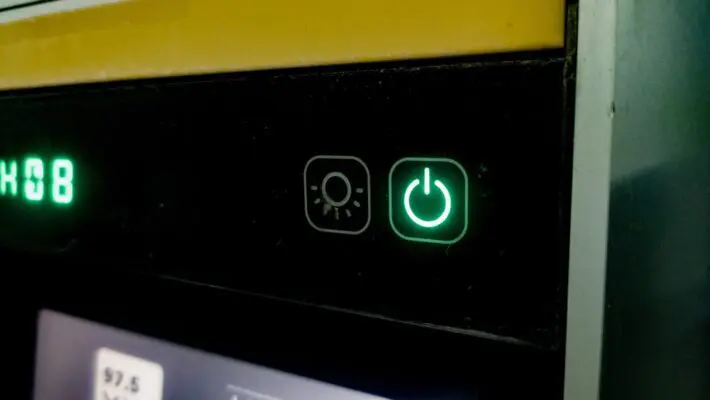
The cleverly labelled name perfectly describes the issue at hand. These power-hungry devices are consuming electricity when seemingly turned off. The result is that these devices on standby are silently increasing energy bills while contributing to carbon emissions.
Recent data from a study conducted by Sustain Commercial Solar reveals that for larger corporate offices with 100+ employees, energy waste from appliances left on standby can exceed £6,900 per year. As energy prices continue to rise, addressing this invisible drain has become increasingly important for companies looking to reduce operational costs and meet sustainability goals.
Could your office be wasting money and energy on appliances? Let’s find out.
What Are Vampire Appliances?
Although we know what vampire appliances are – drawing power when not actively used – many query what’s classed as one. Some of the most common office examples include:
- Computers and monitors: After your team signs off for the day, many desktop systems continue drawing significant power. This is because they have been put into sleep mode rather than fully shut down.
- Printers and copiers: These machines are likely not the most used devices. However, when they are needed, they are awoken from their sleeping state to be used. Since these devices often maintain standby functionality, they consume electricity 24/7 despite only being used during working hours.
- Kitchen appliances: Aside from their desks, employees often spend time in the kitchen. Many devices in the kitchen, such as microwaves, coffee machines, and water coolers, typically draw constant power to maintain displays and standby functions.
- Phone chargers: If left plugged in without devices attached, chargers continue consuming small amounts of electricity that accumulate over time.
- AV equipment: Projectors, televisions, and conference room systems are frequently left in standby mode overnight and at weekends.
A comprehensive list of vampire appliances will vary between offices, but identifying these energy-draining culprits marks the first step toward significant savings.
The Financial Impact on Businesses
The cost of appliances left on standby can be far higher than many businesses realise. According to recent research by Sustain Commercial Solar, the financial impact varies significantly by business size:
- Small businesses (10-15 employees) could be wasting over £900 annually
- Medium-sized businesses (40-50 employees) face considerably higher costs
- Large corporate offices (100+ employees) could be losing more than £6,900 per year
The study reveals that computers and laptops on standby alone can cost a small business £315.36 annually, while HVAC systems running unnecessarily cost medium and large businesses £1,182.60 per year. Smart TVs and display screens left on standby in larger offices contribute a staggering £2,128.68 in wasted energy annually.
By addressing standby usage, businesses can significantly reduce waste, save money, and contribute positively to sustainability goals, all with minimal disruption to daily operations.
Environmental Consequences
Beyond financial implications, appliances on standby contribute significantly to carbon emissions. The sustainability survey by Sustain Commercial Solar found that 95% of respondents feel they could do more for sustainability, highlighting growing awareness of environmental responsibility.
For businesses committed to sustainability goals, addressing vampire energy represents a straightforward opportunity to reduce carbon footprints. Unlike major infrastructure changes, tackling standby power requires minimal investment while yielding immediate results.
Practical Solutions for Businesses
Reducing vampire energy consumption doesn’t require complex technological overhauls. Effective strategies include:
- Smart power strips: These automatically cut power to peripheral devices when primary equipment (like computers) shuts down.
- Outlet timers: Programming power outlets to deactivate during non-business hours eliminates nighttime energy waste.
- Energy audits: Professional assessments identify specific appliances consuming excessive standby power.
- Employee education: Simple awareness campaigns can significantly reduce energy waste through behavioural changes.
- Power management settings: Configuring devices to fully power down rather than enter standby mode after specific periods of inactivity.
Many businesses have successfully implemented these strategies and reduced energy costs while supporting sustainability initiatives.
The Role of Renewable Energy
While reducing vampire energy consumption remains important, switching to renewable sources offers another path toward sustainability. Solar power installations provide businesses with energy independence while reducing carbon emissions.
Solar energy presents a significant opportunity for businesses looking to reduce dependence on the grid, stabilise electricity expenses, and lower carbon emissions. As noted in the Sustain Commercial Solar study, businesses could offset up to 80% of their energy costs through solar installations, with additional benefits from tax incentives and improved sustainability credentials.
Taking Action Against Energy Waste
Addressing vampire appliances represents a practical starting point for businesses looking to reduce operational costs while supporting sustainability goals. With minimal investment, companies can achieve meaningful reductions in energy consumption and carbon emissions.
The growing public awareness of sustainability issues creates additional incentives for businesses to address energy waste. Companies demonstrating environmental responsibility increasingly gain competitive advantages through improved brand perception and alignment with consumer values.
For forward-thinking businesses, tackling energy waste from standby appliances represents more than cost-cutting. Instead, it signals a commitment to responsible resource management and environmental stewardship in an increasingly sustainability-conscious marketplace.