


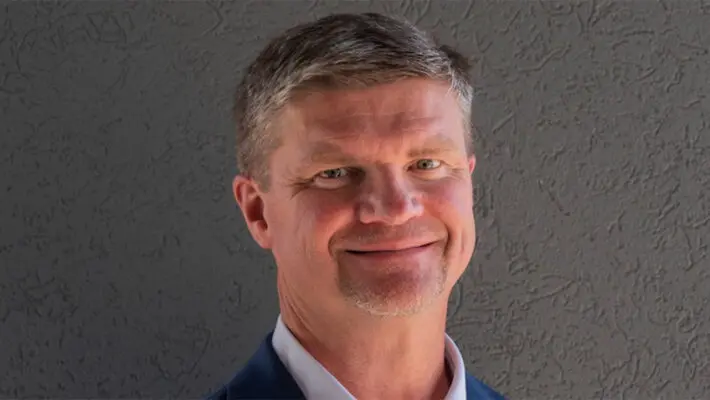
Over time, he developed deep expertise in Lean, Total Productive Maintenance (TPM), and structured problem-solving systems. He works with methods such as Standard Work, 5S, Autonomous Maintenance, and Root Cause Analysis. His approach is practical and disciplined. He focuses on how these tools are used in real environments, not just how they look on paper.
Christopher is also an author. He is currently writing several books, including Leading with Clarity: A Practical Guide to Hoshin Kanri and True PDCA Implementation Guide. His writing reflects his mindset. Clear, structured, and focused on real application.
He is known for helping organisations build systems that create alignment and accountability. His work emphasises consistency, daily routines, and long-term improvement.
In a business world often driven by new ideas, Christopher Reep stands out for his focus on execution—ensuring that what is planned is actually delivered.
Q: Let’s start at the beginning. How did your career in operations take shape?
I started out focused on operations, and pretty early on I noticed a pattern. Companies had strong strategies. Leadership teams were aligned in meetings. But when you looked at the day-to-day work, it didn’t always reflect those goals. That gap stood out to me. It wasn’t about a lack of effort. People were working hard. It was more about clarity and structure. That’s what pushed me deeper into systems thinking.
What drew you specifically to Lean and structured problem-solving systems?
Lean gave me a way to make sense of what I was seeing. It wasn’t just about improving processes. It was about building systems that support consistent behaviour. I spent time working with tools like Standard Work, 5S, and Root Cause Analysis. But what really stuck with me was that the tools only work if they’re part of daily routines. Otherwise, they fade out after the initial push.
Was there a moment where your thinking shifted or evolved?
Yes. I was involved in a Lean rollout that looked strong on paper. We had the right tools in place. The plan was solid. But it didn’t last. People went back to old habits. That experience changed how I approach things. I realised we had focused too much on the tools and not enough on leadership routines. Since then, I’ve focused more on behaviour and structure than on the tools themselves.
How did that experience influence your approach to leadership?
It made me more methodical. I started thinking in terms of systems, not projects. Leaders have to create consistency. That comes from routines—how they review work, how they solve problems, how they follow up. If those routines aren’t clear, the system breaks down. I’ve seen that repeatedly across different environments.
You often talk about the gap between strategy and execution. Why is that still such a common issue?
Because strategy is easier to talk about than execution. It’s easier to define goals than to build the systems that support them every day. Alignment doesn’t happen in a presentation. It happens in how work is managed daily. Most organisations underestimate how much discipline that requires.
How do you help organisations close that gap?
I focus on connecting strategy to daily work. That’s where systems like Hoshin Kanri come in. But again, it’s not about the framework itself. It’s about how it’s used. You need clear priorities. You need to connect those priorities to specific actions. And you need consistent review cycles. Without that, alignment breaks down quickly.
You’re also working on several books. What motivated you to start writing?
I wanted to make these ideas more accessible. A lot of operational concepts can feel abstract. My goal is to break them down into something people can actually use. Books like Leading with Clarity and True PDCA Implementation Guide are structured around that idea. Step-by-step, practical, and focused on application.
How would you describe your writing style?
Clear and direct. I try to write the same way I approach operations. No unnecessary complexity. People should be able to read something and apply it straight away. If it doesn’t translate into action, it’s not useful.
What role does continuous improvement play in your work today?
It’s central. But I don’t see it as a separate initiative. It has to be part of daily work. That’s where many organisations struggle. They treat improvement as something extra. In reality, it should be built into how work is done. That’s where structured problem solving, like PDCA, becomes important.
What does a productive day look like for you now?
It starts with clarity. I focus on a small number of priorities. Then I spend time on review and problem solving. I avoid trying to do too much at once. Consistency matters more than volume. If you stay focused on the right things, results follow over time.
What trends are you seeing in your field right now?
There’s a growing recognition that execution matters as much as strategy. More organisations are realising that systems and habits drive results. It’s not just about having the right plan. It’s about how that plan is carried out every day.
Looking back, what advice would you give to your younger self?
Focus on fundamentals. Early on, I tried to fix too many things at once. It’s better to build strong systems slowly. That creates lasting results.
Finally, how would you sum up your overall philosophy?
Keep it simple. Stay consistent. Build systems that support the right behaviours. At the end of the day, success comes down to what actually gets done.