


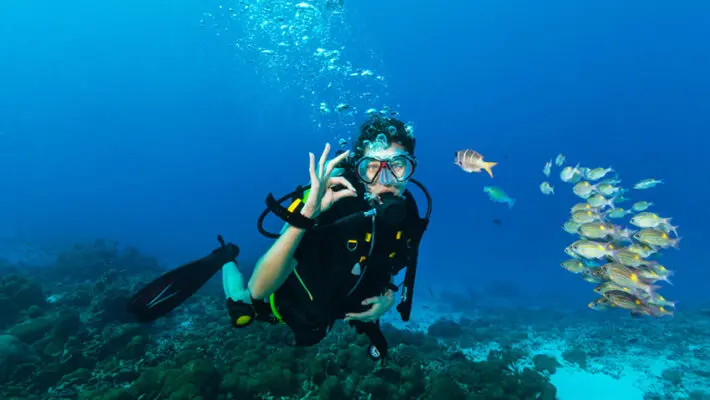
Komodo is often described through its dramatic landscapes: dry savannah hills, pink-sand beaches, volcanic islands and, of course, the famous Komodo dragons. Yet beneath the surface lies one of the strongest commercial pillars of the region’s hospitality sector. Diving is not simply an activity offered to guests. It shapes booking patterns, room rates, staffing needs, partnerships, sustainability policies and the overall reputation of hotels and resorts in Labuan Bajo and the wider Komodo National Park area.
Why Diving Matters to Komodo’s Hospitality Market
Scuba diving in Komodo, Indonesia, has become a phrase associated with bucket-list travel, but the business behind it is more complex than many outsiders realise. Divers tend to stay longer, plan earlier, and spend more on accommodation, equipment rental, dining, transfers, and guided experiences.
For resort managers, this creates an opportunity to design services around a guest who values reliability as much as beauty. A diver may be adventurous, but they still expect clear communication, punctual transfers, clean facilities, safe storage and knowledgeable staff.
Key expectations often include:
- Early breakfast options before boat departures
- Reliable transport to harbours and dive centres
- Flexible check-in and check-out arrangements
- Fresh laundry services for wet gear and activewear
- Healthy post-dive dining choices
- Accurate local information from front-desk teams
A comprehensive Komodo Island scuba diving guide can help staff anticipate these needs before guests even ask, setting the standard for service excellence.These details may seem small, but in a diving destination, they influence reviews, repeat bookings and direct referrals.
Understanding the Komodo Diving Guest
The Komodo diving guest is not one single customer type. Some arrive as experienced divers seeking strong currents and pelagic encounters. Others are couples mixing soft adventure with luxury resort stays. Some are underwater photographers, marine biology enthusiasts or digital professionals adding diving days to a wider Indonesia itinerary.
The Commercial Value of Experience-Led Travel
Unlike a conventional beach holiday, a diving trip is structured around a purpose. Guests are not only booking a bed; they are buying access, confidence and memory.
This makes operational trust extremely important. A resort that understands diving schedules, weather conditions and guest preparation can create a smoother stay than one that treats diving as an afterthought.
For hospitality businesses, the lesson is clear: the more specific the guest motivation, the more valuable the supporting service becomes.
Komodo Diving Liveaboard and Resort-Based Stays
A Komodo diving liveaboard offers a different style of experience from staying in a resort or hotel. Liveaboards allow divers to sleep on board, reach remote dive sites early and spend several days immersed in the marine environment. For serious divers, that can be highly attractive.
However, resort-based stays remain equally important to the local economy. Many travellers prefer the comfort of land-based accommodation, especially if they are travelling with non-diving partners, children or mixed-interest groups.
Hotels and resorts can compete effectively by focusing on:
- Comfort before and after diving
- Better dining variety
- Spa and wellness options
- Stronger Wi-Fi and work-friendly spaces
- Local cultural experiences
- Flexible itineraries for mixed groups
The opportunity is not to copy liveaboards, but to complement them. A guest may spend three nights on a boat and then choose a resort for recovery, comfort and a slower pace.
Safety, Service and the Business of Confidence
Komodo’s underwater environment is extraordinary, but it can also be demanding. Currents, tides and changing conditions require careful planning. While dive operators carry the technical responsibility, hotels and resorts still play a role in building guest confidence.
Front-office teams should understand the basics of local diving logistics, even if they are not divers themselves. They do not need to explain decompression theory or current patterns, but they should know how early guests may leave, where boats depart, what items guests commonly forget and how weather can affect schedules.
What Resorts Should Communicate Clearly
Good communication reduces anxiety and improves the guest journey. Useful information includes:
- Departure times and transfer arrangements
- Breakfast availability before early trips
- Drying areas for swimwear and gear
- Medical and emergency contact procedures
- Local conservation expectations
- Realistic travel times around Labuan Bajo
In hospitality, confidence is often built before the main experience begins.
Sustainability Is No Longer Optional
Komodo’s appeal depends on the health of its marine environment. Coral reefs, manta rays, turtles, sharks and fish life are central to the destination’s value. For hotels and resorts, sustainability should not be treated as a decorative message on a bathroom card. It must become part of operations.
That can include reducing single-use plastics, supporting responsible suppliers, training staff on reef-safe guest behaviour and working with dive partners who respect marine park rules.
Practical sustainability measures include:
- Refillable water stations
- Clear waste separation practices
- Reef-safe sunscreen education
- Responsible seafood purchasing
- Support for local conservation initiatives
- Guest briefings on respectful wildlife behaviour
The commercial reason is straightforward: the destination’s natural assets are also its economic assets. Protecting them protects future demand.
How Hotels Can Support the Diving Economy Without Becoming Dive Operators
Not every resort needs to own a dive centre. In many cases, it is better to build strong partnerships with reputable local operators. This allows the hotel to focus on accommodation, service and guest care while specialists manage diving activities.
The best partnerships are based on shared standards. Hotels should know whether the operator has reliable equipment, trained guides, responsible safety procedures and good communication practices.
Partnership Questions Worth Asking
Before recommending a dive partner, hotels should consider:
- Are briefings clear and multilingual where necessary?
- Is the equipment maintained regularly?
- Are group sizes sensible?
- Are guides experienced in Komodo conditions?
- Is marine life approached responsibly?
- Are cancellations and weather changes handled transparently?
A poor third-party experience can still affect the hotel’s reputation. Guests rarely separate the full journey into neat operational categories.
Food, Wellness and the Post-Dive Experience
One overlooked business opportunity in diving destinations is the post-dive period. After a full day at sea, guests often want comfort, nourishment and ease. This is where resorts can create meaningful value.
A strong post-dive offer may include:
- Fresh, light meals with local ingredients
- Hydration-focused drinks and juices
- Massage and recovery treatments
- Relaxed sunset dining
- Gear rinsing or drying support
- Quiet lounge areas for photo editing and rest
These services do not need to feel overly packaged. In fact, the best hospitality often feels natural. The guest simply notices that everything has been considered.
What BM Magazine Readers Can Learn from Komodo
For a business audience, Komodo’s diving market shows how niche tourism can strengthen an entire local economy. A specialist activity can influence property development, employment, supplier networks, transport services, food and beverage strategy, digital marketing and sustainability planning.
The key lesson is that destinations grow stronger when businesses understand why guests are coming. Hotels that align their operations with the guest’s core motivation can create better experiences and better commercial outcomes.
In Komodo, diving is not a side product. It is part of the destination’s identity. Resorts that understand this can serve guests more intelligently, build stronger local partnerships and contribute to a more resilient tourism ecosystem.
Final Thoughts: The Future Is Experience-Led and Responsible
Komodo’s hospitality sector sits at the meeting point of adventure, conservation and premium travel. The opportunity is significant, but it must be managed carefully. Growth without responsibility can damage the very environment that attracts visitors.
For hotels and resorts, success will come from balancing commercial ambition with operational care. Guests want beauty, but they also want safety, comfort, authenticity and trust.
The businesses that thrive will be those that see diving not merely as an excursion, but as a complete guest journey: from the first enquiry to the early-morning transfer, from the reef encounter to the evening meal, and from a memorable stay to a confident recommendation.