


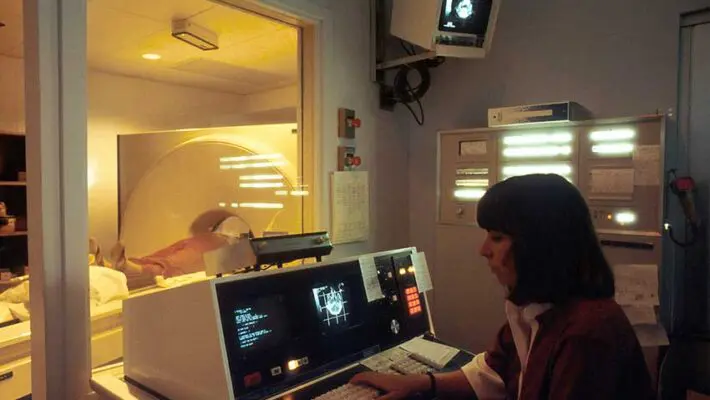
Whether it’s identifying cancer in a mammogram, detecting fractures in an X-ray, or assessing brain injuries in an MRI, radiologists provide the insights that guide patient care.
Despite their essential role, radiologists often work in high-stress environments, dealing with immense workloads, long hours, and increasing pressure to deliver fast, accurate results. Burnout in the field has become a growing concern, impacting not just the well-being of radiologists but also the quality of patient care.
When radiologists are overworked and exhausted, the risks of diagnostic errors increase, turnaround times slow down, and overall healthcare efficiency suffers. This is why focusing on radiologist well-being is not just about supporting medical professionals—it is about ensuring that patients receive the best possible care.
The Growing Concern of Radiologist Burnout
Burnout is a well-documented issue in the medical field, but radiology presents unique challenges that make it particularly prone to stress and fatigue. The nature of the job requires radiologists to review hundreds of images per day, often under time constraints and in isolation.
Studies have shown that burnout rates among radiologists are among the highest in the medical profession. A report from the American College of Radiology found that nearly half of all radiologists experience symptoms of burnout, including emotional exhaustion, depersonalization, and decreased job satisfaction.
Several factors contribute to this problem:
- Increasing Workloads – The demand for medical imaging is at an all-time high, with hospitals and clinics relying more on scans for accurate diagnoses. This puts pressure on radiologists to process an ever-growing number of cases.
- Long Hours and Overnight Shifts – Many radiologists, especially those in hospital settings, work late-night and on-call shifts, leading to disrupted sleep patterns and chronic fatigue.
- Limited Patient Interaction – Unlike other medical specialists, radiologists often work behind the scenes, with little direct patient contact. This can sometimes make their work feel isolating and emotionally disconnected.
- Administrative Burdens – Paperwork, insurance documentation, and compliance with evolving regulations add extra stress to an already demanding job.
If these challenges are not addressed, burnout can lead to more than just unhappy radiologists—it can result in serious consequences for patient care.
How Burnout Affects Patient Outcomes
When radiologists are exhausted and overwhelmed, their ability to perform at the highest level is compromised. Burnout can lead to delayed diagnoses, increased errors, and reduced attention to detail—all of which directly impact patient health.
- Higher Error Rates – A tired radiologist is more likely to miss subtle abnormalities in an imaging scan. Even small mistakes in interpretation can lead to incorrect treatments or delayed interventions.
- Slower Turnaround Times – When radiologists are overworked, it takes longer to process and review imaging results. This can cause delays in treatment, especially in emergency cases where time is critical.
- Reduced Collaboration with Physicians – A burned-out radiologist may be less engaged in consulting with referring doctors, leading to weaker communication and potential gaps in patient care.
Ensuring that radiologists have a manageable workload, work-life balance, and adequate support systems is crucial to maintaining high standards in diagnostic accuracy and patient care.
The Importance of Work-Life Balance in Radiology
For radiologists to perform at their best, they need the same level of care and attention that they provide to their patients. Work-life balance is a key factor in preventing burnout and improving job satisfaction.
Several strategies have been shown to improve radiologist well-being:
- Flexible Scheduling – Providing radiologists with better shift rotations, reducing overnight calls, and offering remote work options can help reduce stress and fatigue.
- Team-Based Approach – Encouraging collaboration and case-sharing among radiologists can help distribute workloads more evenly and reduce pressure on individuals.
- Mental Health Support – Hospitals and imaging centers should offer mental health resources, including counseling and stress management programs, to support their radiologists.
- Encouraging Professional Growth – Allowing radiologists time for research, continued education, and professional development can help keep them engaged and motivated.
Some healthcare organizations, including The Radiology Group, have taken proactive steps to support radiologist well-being by implementing policies that prioritize work-life balance, strong communication, and sustainable workloads. These efforts have led to improved job satisfaction among radiologists and, in turn, better patient outcomes.
The Role of Technology in Supporting Radiologists
Advancements in medical technology are also playing a role in reducing radiologist fatigue. AI-assisted imaging analysis, improved workflow systems, and better tele-radiology solutions are helping radiologists work more efficiently while maintaining accuracy.
- Artificial Intelligence (AI) in Radiology – AI tools can assist in detecting abnormalities, flagging potential concerns for review, and reducing the time required for image interpretation. While AI will never replace human expertise, it can serve as a valuable support system.
- Tele-Radiology – The ability to review images remotely has given radiologists more flexibility in their work, allowing them to balance hospital shifts with remote reading opportunities. This has been especially beneficial for rural healthcare providers that rely on outsourced radiology services.
- Automated Workflow Management – New software solutions are streamlining administrative tasks, reducing the time radiologists spend on paperwork and allowing them to focus more on patient care.
By integrating technology thoughtfully, healthcare organizations can enhance efficiency, reduce burnout, and improve overall radiology services.
Building a Supportive Culture in Radiology
In addition to technological improvements and work-life balance strategies, creating a positive workplace culture is essential for radiologist well-being.
A culture that values radiologists as essential members of the healthcare team can make a significant difference in job satisfaction and performance. This means:
- Recognizing Radiologists’ Contributions – Acknowledging their hard work and the impact they have on patient care can help radiologists feel more connected to their role.
- Encouraging Open Communication – Ensuring that radiologists have a voice in decisions about workflow, scheduling, and hospital policies can lead to a healthier work environment.
- Providing Peer Support Programs – Connecting radiologists with colleagues who understand their challenges can create a sense of community and reduce feelings of isolation.
When radiologists feel supported and valued, they are more likely to stay engaged in their work, leading to higher-quality interpretations, faster diagnoses, and better patient care.
Conclusion
The well-being of radiologists is not just an issue for healthcare professionals—it is a critical factor in ensuring safe, accurate, and timely patient care. Addressing burnout, improving work-life balance, and leveraging technology to ease workloads are all essential steps in creating a sustainable and effective radiology workforce.
Organizations like The Radiology Group are leading the way by implementing strategies that prioritize both radiologist well-being and high-quality patient outcomes. As the demand for imaging services continues to grow, investing in radiologists’ mental health and work conditions will be key to maintaining excellence in healthcare.
By looking beyond the diagnosis and focusing on the people behind the images, the healthcare industry can ensure that both patients and radiologists receive the care and support they deserve.