


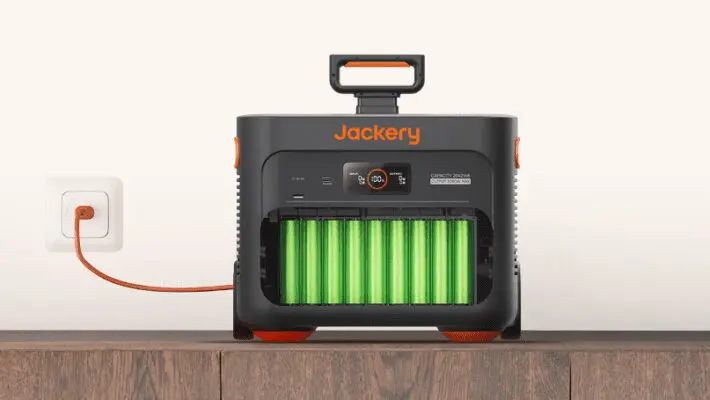
Known for their reliability, safety, and long lifespan, these batteries are widely used within solar battery pack and other energy storage systems. However, their efficiency and durability can be significantly influenced by the environment in which they operate.
This guide provides an in-depth look at the operating temperature range of the LiFePO4 battery, focusing on how temperature fluctuations affect performance. Whether you are utilising a LiFePO4 battery for solar energy storage or powering off-grid applications with a portable solar battery pack, understanding optimal temperature conditions is essential for maximising efficiency and extending lifespan.
Understand the LiFePO4 Battery
LiFePO4 batteries, also called lithium iron phosphate batteries, have gained prominence due to their safety, efficiency, and longevity. Let’s explore what makes this technology unique, its diverse applications, and how temperature impacts its performance.
What is the LiFePO4 battery?
The LiFePO4 battery is a lithium-ion battery that stands out for its safety, stability, and long lifespan. Unlike traditional lithium-ion batteries, LiFePO4 batteries have a phosphate-based cathode, which makes them less prone to overheating and thermal runaway. These characteristics make them ideal for reliable energy storage applications, such as portable power stations and LiFePO4 solar battery systems.
LiFePO4 batteries have the following characteristics:
- They can withstand over 4,000 charge cycles, significantly lasting longer when compared to other battery types.
- A LiFePO4 battery is non-toxic and more sustainable than other lithium-ion options.
- They perform well in high-temperature environments without risk of combustion.
- They have efficient charging capability with a relatively quick turnaround time.
- LiFePO4 batteries offer consistent energy output even in extreme temperatures.
Applications of LiFePO4 Batteries
- Electric Vehicles (EVs): LiFePO4 batteries are widely used in electric vehicles due to their high cycle life, consistent performance, and ability to withstand frequent charging and discharging. They provide reliable energy storage while ensuring the safety of EV systems.
- Consumer Electronics: LiFePO4 batteries are increasingly being integrated into consumer electronics, from smartphones to laptops. Their lightweight design and efficiency make them suitable for portable devices that require a steady energy supply.
- Portable Power Stations: Portable power stations equipped with LiFePO4 batteries offer a dependable solution for outdoor adventures or emergency backups. These batteries deliver consistent energy in varying environmental conditions, ensuring the power station performs optimally.
- Energy Storage Systems: LiFePO4 solar battery systems are a cornerstone in renewable energy storage. These batteries store solar power efficiently and release it when needed, making them indispensable for sustainable home or industrial energy solutions.
Operation Temperature Range for LiFePO4 Batteries
Temperature significantly influences the performance, efficiency, and lifespan of LiFePO4 batteries. Understanding their operational limits and the effects of extreme temperatures helps ensure optimal usage across various applications, including solar battery packs and energy storage systems.
- Typical Temperature Range: LiFePO4 batteries can typically operate between -20°C and 60°C (-4°F to 140°F). This wide temperature range allows them to function effectively in diverse environments, from freezing outdoor conditions to warm indoor setups. Operating in these conditions minimises wear on the battery cells, which ultimately enhances the overall performance of LiFePO4-powered systems.
- Optimal Temperature Range: The ideal working temperature range for a LiFePO4 battery is between 0°C and 45°C (32°F to 113°F). The batteries perform at peak efficiency within this range, ensuring steady energy output and an extended lifespan.
- Impact of High Temperatures: Exposing a LiFePO4 battery to temperatures above 60°C can lead to thermal degradation, reduced capacity, and a shorter lifespan. Prolonged exposure to heat may also compromise safety.
- Impact of Low Temperatures: At temperatures below -20°C, LiFePO4 batteries may experience reduced charging efficiency and slower chemical reactions, which can decrease their energy output. However, advancements in LiFePO4 technology have enhanced their cold-weather performance, making modern batteries more reliable even in freezing climates. Insulation or built-in heating elements can help maintain functionality in extreme cold. This is particularly helpful for outdoor applications like camping or off-grid energy storage.
LiFePO4 Battery Outdoor and Indoor Use Cases
LiFePO4 batteries are transforming how we store and use energy thanks to their exceptional durability, efficiency, and safety. Their versatile features make them ideal for both outdoor and indoor applications. In this section, we are going to use Jackery’s LiFePO4 power stations to exemplify their versatility.
LiFePO4 Power Station for Camping
With high power density, LiFePO4 batteries are ideal battery types to manufacture portable power stations for camping. Among different options, the Jackery Explorer 1000 v2 Portable Power Station is one of the best solar power banks for adventure seekers and campers with the following highlight features:
- High Capacity & Output: With a 1070Wh capacity and 1500W output, it powers essential devices like laptops, smartphones, refrigerators, portable air conditioners, and cooking appliances. Whether you work remotely from a campsite or need to keep food fresh, this portable power station has you covered.
- Solar Charging for Off-Grid Freedom: The portable power station supports solar charging using compatible solar panels, offering true off-grid independence. Campers can harness the power of the sun to recharge their power station, making it a sustainable and environmentally friendly choice. It fully charges in approximately 7.5 hours with two 100W solar panels, ensuring you never run out of power, even in remote locations.
- Whisper-Quiet Operation: Operating at less than 22 dB, this LiFePO4 portable power station ensures a tranquil camping experience. Unlike noisy gas generators, this unit won’t disturb the natural sounds of your surroundings, making it perfect for serene environments or campsites with noise restrictions.
- Versatility for Multiple Devices: Equipped with USB-A/C ports, AC outlets, and a 100W dual PD fast-charging port, this power station can simultaneously charge multiple devices. This is beneficial for families or groups with diverse power needs, ensuring everyone stays connected and comfortable.
- Versatile Charging Options: It offers multiple charging options for convenience, including wall charging, solar charging, and car charging. Compact and lightweight (23.8 pounds), it is designed for portability, fitting easily into a vehicle for hassle-free travel.
LiFePO4 Battery System for Home Power Backup
With stable chemical properties, LiFePO4 battery systems are also widely used in indoor scenarios. For instance, the Jackery Explorer 2000 Plus Portable Power Station is designed for consistent home power backup, ensuring seamless functionality for critical appliances and home offices. It has competitive features, including:
- Powering Critical Household Appliances: With its impressive 3000W output and expandable capacity of up to 12 kWh, this portable power station can power high-demand appliances like refrigerators, ovens, washing machines, and even air conditioners. During a blackout, it ensures that essential devices keep running, preserving food, maintaining comfort, and supporting household safety.
- Reliable Backup for Home Offices: Uninterrupted power is crucial for home offices in today’s connected world. The Jackery Explorer 2000 Plus Portable Power Station can effortlessly keep laptops, Wi-Fi routers, and monitors powered, ensuring productivity even during extended outages. Its advanced battery technology delivers stable and reliable energy for sensitive electronics, protecting them from voltage fluctuations.
- Silent Operation for Comfort and Focus: Unlike noisy gas-powered generators, this portable power station operates quietly, making it ideal for indoor use. Its near-silent performance ensures your home remains peaceful during an outage.
- Versatile Charging Options for Convenience: This Jackery portable power station offers three efficient charging methods: wall, solar, and car charging. These multiple options ensure flexibility, so you are always prepared for the unexpected.
- Safety and Durability with LiFePO4 Battery Technology: The power station uses a LiFePO4 battery, renowned for its safety, longevity, and durability. Its advanced protection mechanisms guard against overcharging, overheating, and short circuits, making it a safe home-use choice.
- Expandability for Long-Term Emergencies: One most notable feature of this solar power bank is the expandable capacity, which allows it to scale from 2 kWh to an impressive 12 kWh with additional battery packs. This makes it a perfect solution for extended blackouts or energy-intensive scenarios, providing weeks of power for basic household needs.
How Can You Extend the Lifespan of a LiFePO4 Battery?
LiFePO4 batteries are known for their longevity and reliability, but proper care is essential to maximise their lifespan. Follow these tips to ensure your LiFePO4 battery continues delivering top performance for years.
Avoid Extreme Temperatures
LiFePO4 batteries perform best within their optimal temperature range of 0°C to 45°C (32°F to 113°F). Long-term exposure to temperatures above this range can degrade the battery’s components, while freezing conditions can reduce its capacity. If used outdoors, avoid placing the battery in direct sunlight or freezing environments to maintain its efficiency and longevity.
Use Insulation
In cold conditions, insulate the battery to maintain its internal temperature and prevent capacity loss. Battery insulation materials or thermal cases can help keep the LiFePO4 battery functional during colder months. This ensures the consistent performance of your portable power stations, enhancing comfort and convenience.
Ensure Enough Ventilation
Proper ventilation is crucial for the health and efficiency of a LiFePO4 battery. During charging or discharging, the battery generates heat. Without adequate airflow, heat can build up, potentially damaging the internal cells and reducing the battery’s lifespan. To ensure optimal performance, place the LiFePO4 battery in a well-ventilated area, especially when powering high-demand devices.
Practice Proper Charging Skills
Avoid overcharging or deep discharging the LiFePO4 battery. Use chargers designed specifically for LiFePO4 batteries to ensure proper voltage and current. A 20% to 80% charging range is ideal for extending battery health, especially for solar battery packs that undergo frequent cycles.
Maintain Regularly
Check your LiFePO4 battery periodically for physical damage, loose connections, or signs of wear. Clean the terminals to avoid corrosion and ensure efficient energy transfer. Regular maintenance helps early issue identification and reduces the risk of long-term damage.
Store Properly
When storing a LiFePO4 battery for an extended period, it is essential to keep it in a cool, dry environment with temperatures between 15°C and 25°C (59°F and 77°F). Charge it to about 50% state of charge (SOC) to reduce self-discharge and prevent deep discharge, which can harm the battery.
Avoid storing the battery in places with extreme temperatures or high humidity, such as attics or basements. These conditions can cause corrosion or deterioration, affecting the battery’s performance and lifespan.
FAQs About LiFePO4 Batteries
Which is Better, Li-ion or LiFePO4 Battery?
LiFePO4 batteries are more durable and safer than traditional Li-ion batteries. They have a longer lifespan (up to 4,000 cycles), superior thermal stability, and are less prone to overheating, making them ideal for solar battery packs and energy storage systems.
How Long Can the LiFePo4 Power Station Last?
A well-maintained LiFePO4 power station can last 10 years or more, depending on usage and charging cycles. Typically offering over 4,000 charge cycles, LiFePO4 batteries significantly outperform other battery technologies in terms of longevity. Regular care and proper charging habits can extend their lifespan and ensure reliable performance.
What Does BMS Mean?
BMS, or in its full expression, Battery Management System, is a crucial component in LiFePO4 batteries that ensures safety and efficiency. It monitors key parameters like voltage, temperature, and charging cycles to protect the battery from overcharging, overheating, and short circuits. By optimising performance, BMS extends battery lifespan and ensures reliable energy storage solutions.
Can I Charge a LiFePo4 Power Station While Using It?
Yes, many LiFePO4 power stations support pass-through charging, allowing you to charge the unit while powering devices simultaneously. This feature ensures uninterrupted operation, making it ideal for critical applications like home backup systems or outdoor use. With advanced technology, these power stations maintain efficiency and safety during dual usage, preventing overcharging or overheating.
Can I Bring a LiFePO4 Power Station on the Plane?
Portable power stations under 100Wh are usually allowed in carry-on luggage. However, you must still check airline policies, especially for restrictions on larger capacities. Some power stations may require prior approval or special handling.
How Can I Buy the Right Size LiFePo4 Power Station?
To buy the right size LiFePO4 power station, assess your energy needs in watt-hours and ensure compatibility with the devices you plan to power. Choose a power station model with a slightly higher capacity than your daily usage to account for energy fluctuations and ensure reliable performance. Consider factors like charging time, portability, and the number of devices you intend to charge through the power station.
Wrapping It Up
Understanding the operating temperature range of LiFePO4 batteries is vital for optimal performance and longevity. Whether used in solar battery packs for home energy storage, camping trips, or other applications, managing temperature extremes can significantly impact efficiency and safety.
By following best practices and utilising high-quality products like Jackery’s LiFePO4-powered portable power stations, users can maximise the benefits of their batteries. The brand’s commitment to advanced technology and durable solutions ensures your energy needs are met reliably, even in challenging conditions. This makes Jackery power stations a dependable power source for years to come.